News

What Is an Air Circuit Breaker (ACB) and How Does It Ensure Reliable Power Protection in Modern Electrical Systems

2026-02-11 0 Leave me a message

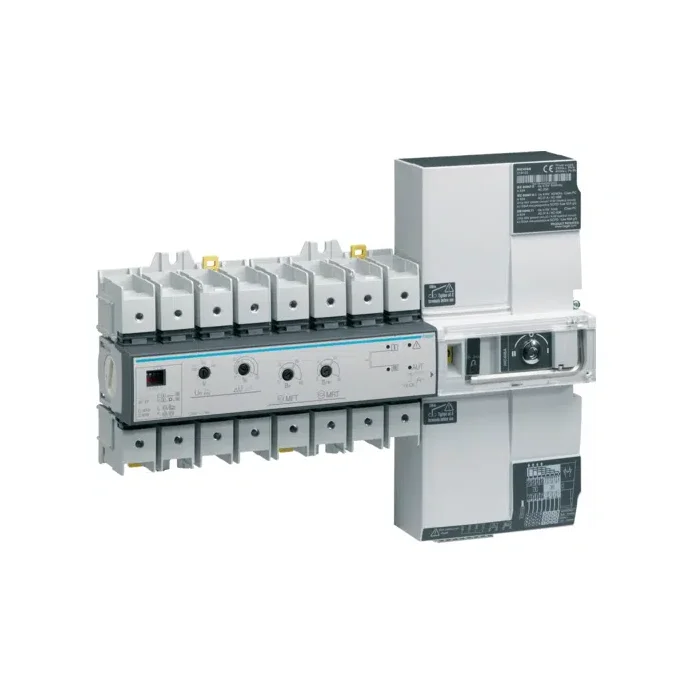
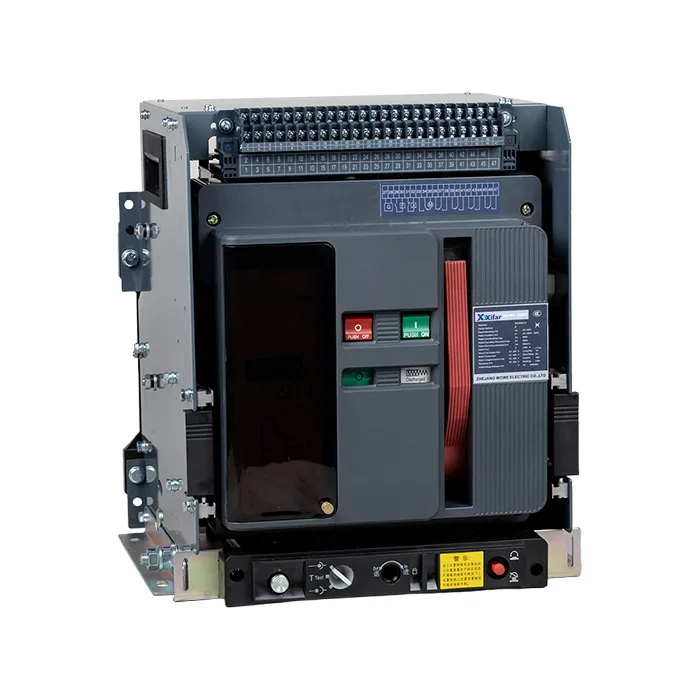
Air Circuit Breaker (ACB) is a critical low-voltage protection device widely used in industrial, commercial, and infrastructure power distribution systems. This comprehensive guide explains what an Air Circuit Breaker ACB is, how it works, its structure, types, technical parameters, installation guidelines, comparison with other circuit breakers, and how to choose the right ACB for your application. Whether you are an electrical engineer, procurement manager, or system integrator, this article will help you understand why Air Circuit Breaker ACB solutions are essential for reliable and safe power distribution.

Air Circuit Breaker ACB

Table of Contents


1. What Is an Air Circuit Breaker (ACB)?

An Air Circuit Breaker (ACB) is a low-voltage circuit protection device that uses air as the arc extinguishing medium. It is designed to protect electrical circuits from overloads, short circuits, and ground faults.

ACBs are typically used in power distribution systems rated up to 690V and current ratings ranging from 630A to 6300A. They are commonly installed in main distribution boards, generator panels, and industrial control systems.

Key Characteristics:

  • High breaking capacity
  • Adjustable protection settings
  • Advanced electronic trip units
  • Remote monitoring and communication options
  • Long mechanical and electrical life

Modern ACBs, such as those manufactured by Xifa, are designed to meet international standards and ensure reliable power protection in demanding environments.


2. How Does an ACB Work?

The working principle of an Air Circuit Breaker is based on arc interruption in air at atmospheric pressure.

Operational Process:

  1. Under normal conditions, the contacts remain closed.
  2. When a fault occurs, the trip unit detects abnormal current.
  3. The tripping mechanism separates the contacts.
  4. An arc forms between the contacts.
  5. The arc chute divides and cools the arc until extinction.

The arc chute design is critical in ensuring rapid arc extinction and minimizing damage to the contacts.


3. Main Components of an Air Circuit Breaker

Component Function
Main Contacts Carry load current and open during fault
Arc Chute Extinguishes arc during interruption
Trip Unit Detects overload and short circuit
Operating Mechanism Controls opening and closing action
Auxiliary Contacts Provide status indication

Advanced ACB models may include intelligent protection modules, communication interfaces, and digital monitoring systems.


4. Types of Air Circuit Breakers

Based on Installation:

  • Fixed Type ACB – Permanently mounted in panel
  • Draw-out Type ACB – Can be removed for maintenance

Based on Operation:

  • Manual operation
  • Motorized operation
  • Electrically operated

5. Key Technical Specifications of ACB

Parameter Typical Range
Rated Current (In) 630A – 6300A
Rated Voltage (Ue) 400V – 690V
Breaking Capacity (Icu) Up to 100kA
Poles 3P / 4P

6. ACB vs MCCB: What Are the Differences?

Feature ACB MCCB
Current Rating Up to 6300A Up to 1600A
Application Main distribution Branch circuits
Maintenance Serviceable Limited

7. Applications of Air Circuit Breaker ACB

  • Industrial manufacturing plants
  • Data centers
  • Commercial buildings
  • Power plants
  • Renewable energy systems

8. How to Choose the Right ACB?

  1. Determine rated current
  2. Check breaking capacity
  3. Evaluate protection functions
  4. Consider installation type
  5. Review compliance standards

9. Installation and Maintenance Tips

  • Ensure proper tightening torque
  • Perform periodic inspection
  • Test trip unit annually
  • Keep arc chute clean

10. Why Choose Xifa Air Circuit Breaker ACB?

Xifa provides high-quality Air Circuit Breaker ACB solutions designed for reliability, safety, and intelligent control.

  • Advanced electronic protection
  • High breaking capacity
  • Compliance with IEC standards
  • Customizable solutions
  • Professional technical support

11. Frequently Asked Questions (FAQ)

Q1: What is the main function of an ACB?

It protects electrical circuits from overload, short circuit, and fault conditions.

Q2: Where is ACB commonly used?

Mainly in low-voltage main distribution systems.

Q3: What is the difference between ACB and VCB?

ACB uses air for arc extinguishing, while VCB uses vacuum.

Q4: How often should ACB be maintained?

Routine inspection is recommended annually or as per manufacturer guidelines.


Conclusion

Air Circuit Breaker ACB plays a vital role in ensuring electrical safety and system reliability in modern power distribution networks. Selecting a high-performance ACB from a trusted manufacturer like Xifa ensures long-term protection, operational efficiency, and compliance with global standards.

If you are looking for reliable and high-quality Air Circuit Breaker ACB solutions tailored to your application needs, contact us today for professional support and competitive pricing.

Related News
Leave me a message
X
We use cookies to offer you a better browsing experience, analyze site traffic and personalize content. By using this site, you agree to our use of cookies. Privacy Policy
Reject Accept