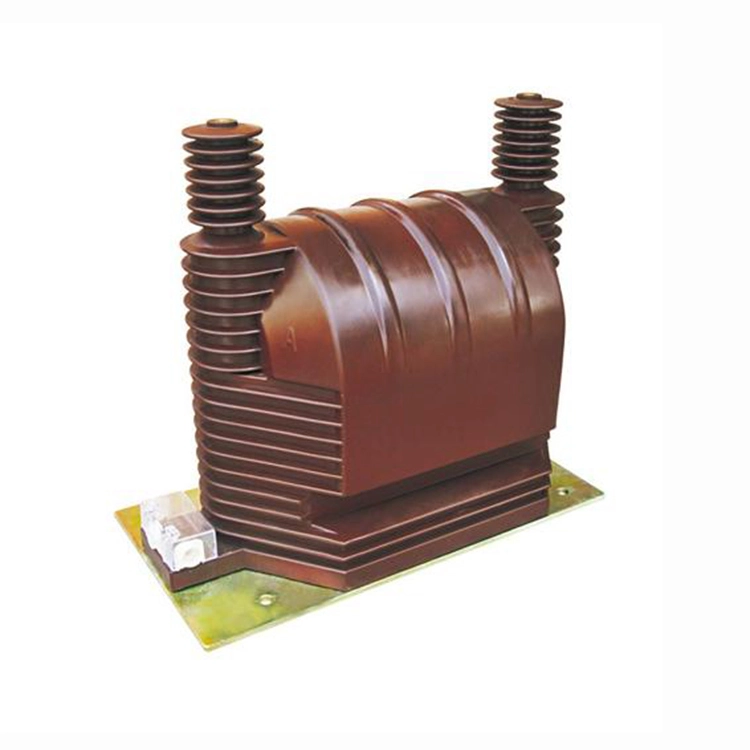
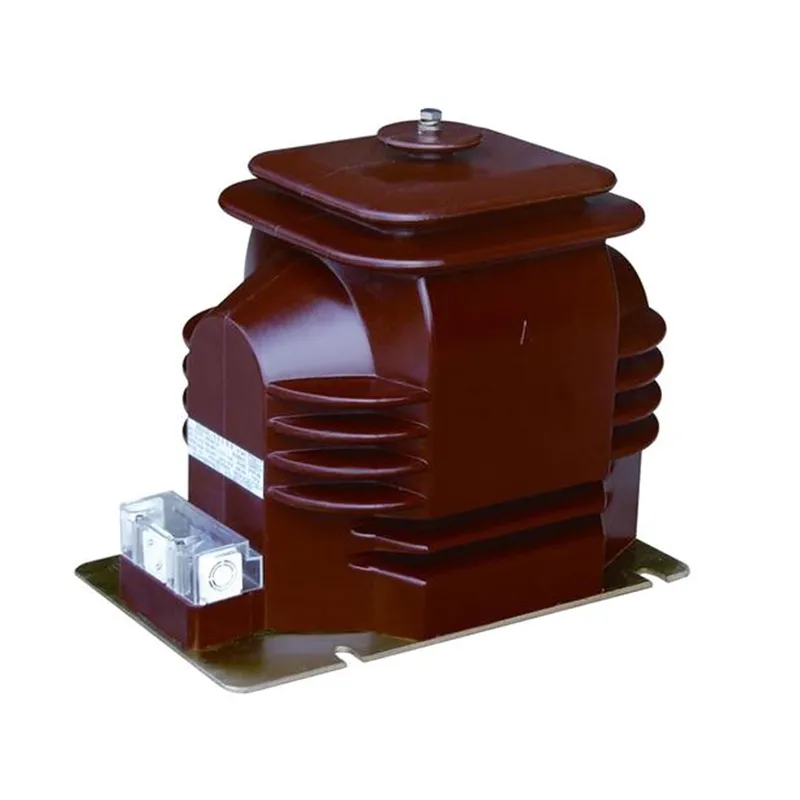
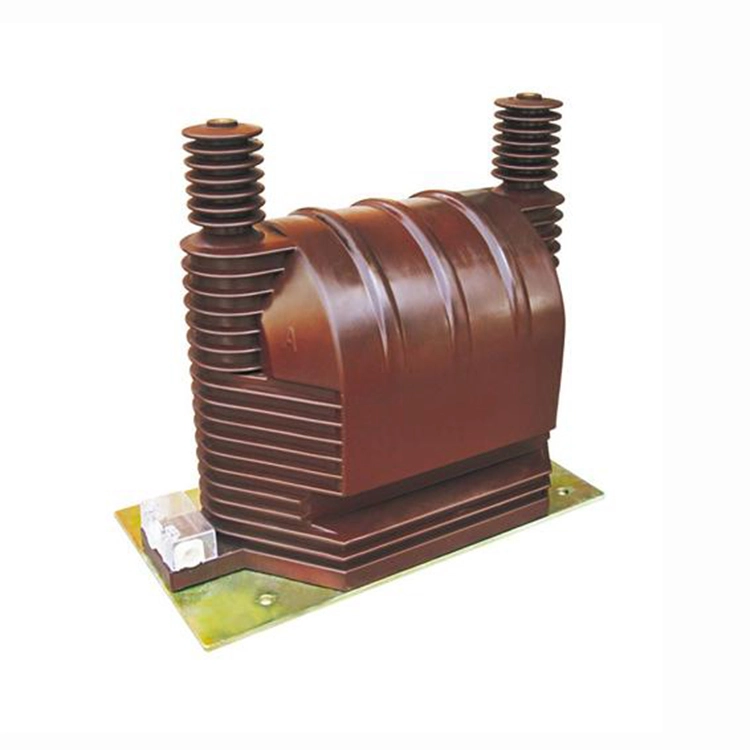
What is the purpose of a potential transformer PT?
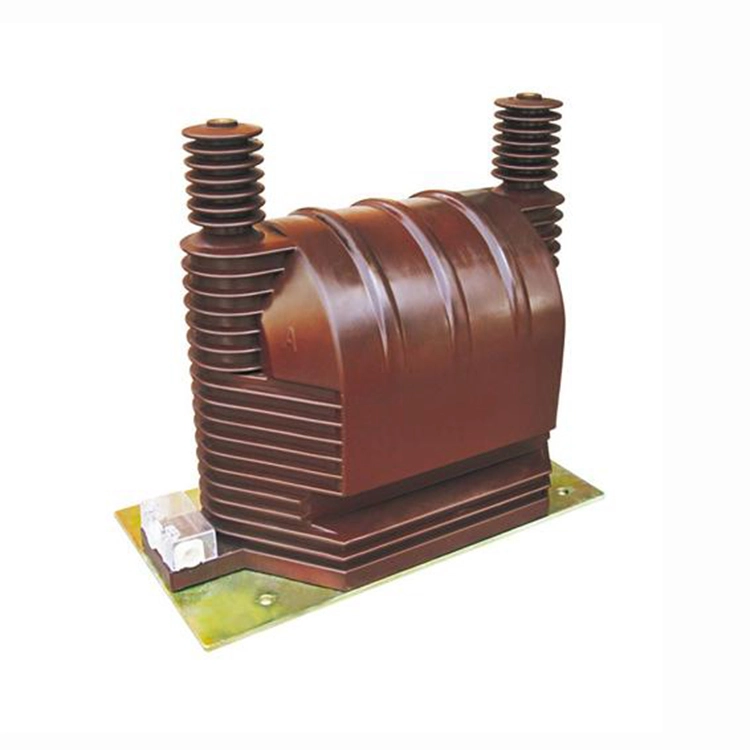
A potential transformer PT is also called voltage transformer VT. Just like a distribution transformer, a potential transformer PT steps down high voltage level to a standardized value, such as 100 V or 110 V, to provide an electrical signal to upstream or downstream relays, energy meters and control devices, while offering a stable power supply to secondary circuit and an electrical isolation between primary circuit and secondary circuit.
What's the difference between current transformer CT and potential transformer PT?
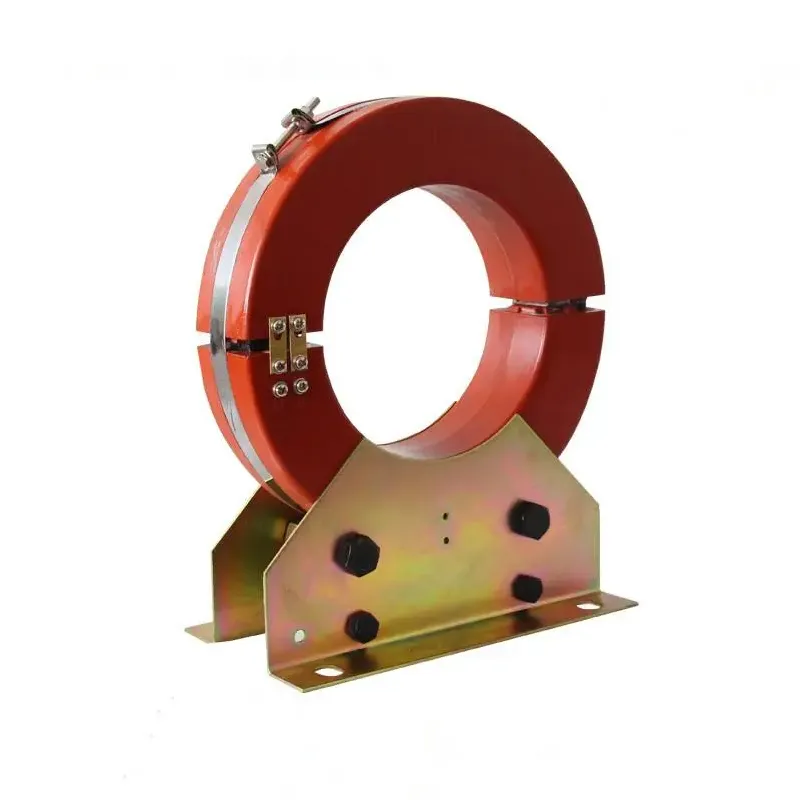
On functional, an current CT steps down primary current to a standardized value, but an potential transformer PT steps down primary voltages to a appropriate value, while providing power supply to secondary devices on an electrical panel such as protection relay, or control units.
On structural, transformer turns ratio is contrary between a current transformer CT and a potential transformer PT. In a current transformer CT, the number of primary winding turns is smaller than the secondary winding, because of energy formulas in terms of current and voltage. Meanwhile, in a potential transformer, the number of primary winding turns is larger than the secondary winding.
Additionally, a current transformer CT parallels the distribution line, but a potential transformer PT series with the line.