News

Can a 13.8 Kv Single Phase Potential Transformer in Substation Improve Measurement Accuracy, Protection Reliability, and Grid Performance

2026-06-25 0 Leave me a message

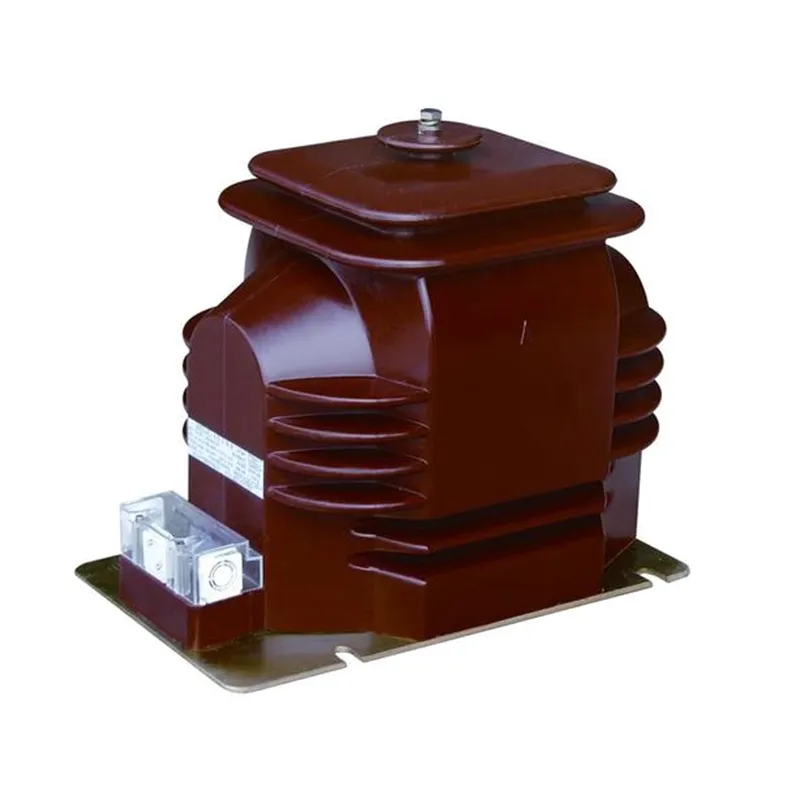
As electrical distribution systems become increasingly complex, accurate voltage measurement and dependable protection are more important than ever. A 13.8 Kv Single Phase Potential Transformer in Substation plays a critical role in ensuring precise voltage transformation for metering, monitoring, relay protection, and automation systems.

XiFa specializes in providing high-quality 13.8 Kv Single Phase Potential Transformer in Substation solutions designed for modern utility networks, industrial substations, renewable energy facilities, and power distribution infrastructures. This article explores the working principles, construction, benefits, technical specifications, applications, installation considerations, and maintenance requirements of these essential substation components.

13.8 Kv Single Phase Potential Transformer in Substation

Table of Contents


What Is a 13.8 Kv Single Phase Potential Transformer in Substation?

A potential transformer (PT), also called a voltage transformer (VT), is an instrument transformer designed to step down high primary voltage levels to standardized low secondary voltages suitable for measuring instruments, protection relays, SCADA systems, and monitoring equipment.

A 13.8 Kv Single Phase Potential Transformer in Substation specifically converts medium-voltage power system voltages around 13.8 kV into safe and measurable outputs such as 120V, 110V, or other standardized values.

These transformers provide electrical isolation between high-voltage circuits and low-voltage control systems while maintaining high measurement accuracy.


How Does It Work?

The operating principle is based on electromagnetic induction. When the primary winding is connected to the 13.8 kV network, magnetic flux is generated within the transformer core.

This magnetic flux induces a proportional voltage in the secondary winding according to the turns ratio between primary and secondary windings.

The resulting low-voltage signal can safely feed:

  • Voltage meters
  • Energy meters
  • Protective relays
  • Power quality analyzers
  • SCADA systems
  • Automation controllers

By accurately reproducing the primary voltage waveform, the transformer enables reliable monitoring and protection across the entire substation.


Main Components and Construction

A high-quality 13.8 kV potential transformer consists of several critical components that ensure operational safety and measurement precision.

Component Function
Primary Winding Connected directly to the medium-voltage system
Secondary Winding Provides reduced voltage output for instruments
Magnetic Core Transfers magnetic flux efficiently
Insulation System Ensures dielectric strength and safety
Porcelain or Polymer Housing Protects internal components from environmental conditions
Terminal Assembly Provides secure electrical connections
Grounding Structure Improves operational safety

Premium manufacturers such as XiFa utilize advanced insulation materials and precision winding techniques to maximize reliability and service life.


Typical Technical Specifications

Although specifications vary according to project requirements, the following parameters are commonly found in substation applications.

Parameter Typical Value
Rated Voltage 13.8 kV
Phase Type Single Phase
Frequency 50Hz / 60Hz
Secondary Voltage 120V, 110V or customized
Accuracy Class 0.2, 0.5, 1.0
Insulation Level According to IEC/ANSI Standards
Installation Outdoor or Indoor
Cooling Method Natural Air Cooling
Protection Class Weather Resistant Design

Key Advantages

1. Accurate Voltage Measurement

Potential transformers deliver highly precise voltage scaling, enabling accurate metering and system analysis.

2. Enhanced Protection System Performance

Protective relays rely on precise voltage inputs to detect abnormal operating conditions quickly and accurately.

3. Improved Personnel Safety

By isolating measurement equipment from high-voltage circuits, PTs significantly reduce electrical hazards.

4. Reliable Grid Monitoring

Continuous voltage monitoring improves operational awareness and supports preventive maintenance programs.

5. Long Service Life

High-quality insulation systems and durable housings allow decades of dependable operation.

6. Compatibility with Smart Grid Technologies

Modern substations increasingly depend on digital monitoring and automation systems that require accurate voltage data.


Major Application Areas

The 13.8 kV single phase potential transformer is widely used across numerous sectors.

  • Utility substations
  • Industrial power distribution systems
  • Renewable energy plants
  • Wind farms
  • Solar power stations
  • Mining operations
  • Oil and gas facilities
  • Commercial power networks
  • Data centers
  • Railway electrification systems

Wherever accurate voltage measurement and protection are required, these transformers play a crucial role.


How to Select the Right Potential Transformer

Selecting the correct PT requires careful evaluation of several engineering factors.

Rated System Voltage

Ensure the transformer matches the nominal system voltage and insulation requirements.

Accuracy Class

Revenue metering applications typically require higher accuracy classes than general monitoring systems.

Burden Requirements

Calculate the total connected load from meters, relays, and monitoring equipment.

Environmental Conditions

Consider humidity, pollution level, altitude, temperature, and seismic requirements.

Compliance Standards

Verify compliance with IEC, ANSI, IEEE, and local utility standards.


Installation Best Practices

Proper installation is essential for achieving long-term reliability.

  1. Inspect equipment before installation.
  2. Verify insulation resistance values.
  3. Ensure proper grounding connections.
  4. Use recommended mounting hardware.
  5. Maintain adequate phase clearances.
  6. Protect terminals from moisture ingress.
  7. Perform commissioning tests before energization.
  8. Confirm correct secondary wiring polarity.

Following these procedures minimizes commissioning issues and improves equipment longevity.


Maintenance and Inspection Guidelines

Routine maintenance ensures continued performance and system reliability.

Maintenance Activity Recommended Frequency
Visual Inspection Monthly
Terminal Tightness Check Quarterly
Insulation Resistance Test Annually
Cleaning of Insulators As Required
Thermal Inspection Annually
Calibration Verification According to Utility Standards

Preventive maintenance significantly reduces unexpected outages and replacement costs.


Potential Transformer vs Current Transformer

Feature Potential Transformer (PT) Current Transformer (CT)
Main Function Voltage Measurement Current Measurement
Connection Parallel Series
Output Reduced Voltage Reduced Current
Typical Secondary Value 110V or 120V 1A or 5A
Application Metering and Protection Metering and Protection

Both instrument transformers work together to provide complete electrical system monitoring and protection.


Future Trends in Voltage Measurement Technology

The power industry is rapidly evolving toward digital substations and intelligent grid infrastructures.

Future developments include:

  • Digital instrument transformers
  • Smart grid integration
  • Remote condition monitoring
  • Predictive maintenance analytics
  • IoT-enabled substations
  • Enhanced cybersecurity protection
  • Improved insulation technologies
  • Higher measurement accuracy standards

Manufacturers such as XiFa continue investing in advanced transformer technologies to support these emerging industry requirements.


Frequently Asked Questions

What is the purpose of a 13.8 Kv Single Phase Potential Transformer in Substation?

Its primary purpose is to safely reduce high-voltage levels to standardized low voltages suitable for measurement, metering, and protective devices.

Why is measurement accuracy important?

Accurate voltage measurement ensures reliable billing, system monitoring, fault detection, and protection coordination.

Can these transformers be used outdoors?

Yes. Many models are specifically designed for outdoor installation with weather-resistant insulation and housing systems.

How long does a potential transformer typically last?

With proper maintenance, high-quality potential transformers often provide service lives exceeding 25 years.

What standards should be considered?

IEC, ANSI, IEEE, and utility-specific standards are commonly referenced when selecting and installing potential transformers.

What industries commonly use 13.8 kV PTs?

Utilities, industrial plants, renewable energy facilities, transportation systems, mining operations, and commercial power networks all depend on them.


Conclusion

A 13.8 Kv Single Phase Potential Transformer in Substation is a fundamental component for voltage measurement, relay protection, energy metering, and power system monitoring. Its ability to provide accurate voltage transformation while maintaining electrical isolation makes it indispensable for modern substations and industrial power systems.

Whether supporting utility distribution networks, renewable energy projects, or industrial facilities, selecting a reliable transformer from an experienced manufacturer can significantly enhance operational safety, measurement accuracy, and system reliability.

Looking for a dependable and high-performance solution for your next substation project? XiFa offers professionally engineered potential transformers designed to meet demanding international standards and diverse application requirements. Contact us today to discuss your project needs, request technical support, or obtain a customized quotation from our expert team.

Related News
Leave me a message
X
We use cookies to offer you a better browsing experience, analyze site traffic and personalize content. By using this site, you agree to our use of cookies.Privacy Policy
RejectAccept