News

How Does an Air Circuit Breaker (ACB) Work, and Why Can’t It Be Replaced by a Normal Breaker or Fuse?

2026-03-17 0 Leave me a message
As global demand for reliable power distribution systems continues to grow across industrial facilities, commercial buildings, and renewable energy projects, choosing the right protection equipment has become a critical decision for procurement professionals. Among the most essential components in low-voltage power systems are Air Circuit Breakers (ACB), widely recognized for their superior protection capabilities, operational safety, and long-term reliability.

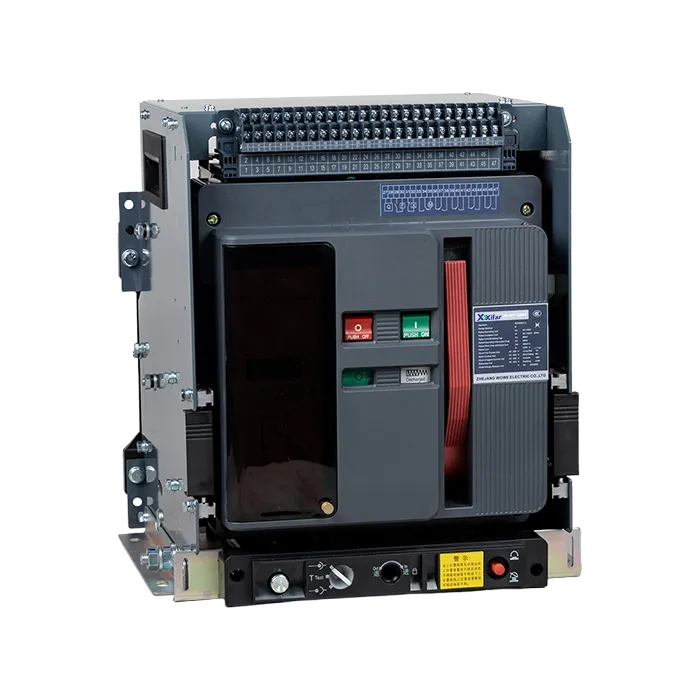
Air Circuit Breakers

What Are Air Circuit Breakers (ACB)?

Air Circuit Breakers (ACB) are advanced electrical protection devices designed to interrupt fault currents using air as the arc extinguishing medium. Typically used in low-voltage applications (up to 690V), ACBs are widely installed in main distribution panels, industrial control systems, and large-scale power infrastructure.

Unlike conventional protection devices, Air Circuit Breakers are engineered for high current ratings, intelligent control, and repeated operation, making them ideal for critical power environments where safety and continuity are non-negotiable.

How Does an Air Circuit Breaker (ACB) Work?

The working principle of Air Circuit Breakers is based on detecting abnormal electrical conditions and safely interrupting the current flow before damage occurs. The process can be broken down into several key stages:

1. Fault Detection

ACBs are equipped with advanced trip units that continuously monitor electrical parameters such as current, voltage, and frequency. When an overload, short circuit, or fault condition is detected, the system triggers a trip signal.

2. Contact Separation

Once a fault is identified, the breaker mechanism rapidly separates the main contacts. This action interrupts the current flow, but it also generates an electrical arc due to the high energy involved.

3. Arc Formation and Control

The arc generated during contact separation is directed into an arc chute, where it is divided and cooled using air. The design of Air Circuit Breakers ensures that the arc is extinguished quickly and safely without damaging internal components.

4. Arc Extinguishing

Air acts as the insulating medium, allowing the arc to dissipate as the current passes through zero. This prevents re-ignition and ensures complete circuit interruption.

5. System Isolation and Reset

After the fault is cleared, the ACB can be reset either manually or automatically, restoring normal operation without replacing components.

This intelligent and reusable operation is one of the core advantages that distinguish Air Circuit Breakers from traditional protection devices.

Why Not Use a Normal Breaker Instead?

At first glance, standard circuit breakers such as molded case circuit breakers (MCCB) may seem like a cost-effective alternative. However, they lack several critical features required in high-capacity and mission-critical systems.

Limited Breaking Capacity

Normal breakers are designed for lower current levels and may not safely interrupt high fault currents found in industrial or commercial power systems. Using them in such environments can lead to equipment damage or safety hazards.

Lack of Advanced Protection Features

Air Circuit Breakers offer adjustable protection settings, including long-time delay, short-time delay, instantaneous, and ground fault protection. Standard breakers typically provide limited or fixed protection functions, reducing flexibility.

Reduced Durability

ACBs are built for frequent operation and long service life, while normal breakers are not designed for repeated switching in demanding environments.

No Intelligent Monitoring

Modern Air Circuit Breakers can integrate with smart systems, enabling real-time monitoring and remote control. This is essential for modern energy management, especially in large facilities.

Why Can’t a Fuse Replace an ACB?

Fuses are one of the oldest forms of electrical protection, but they come with inherent limitations that make them unsuitable for advanced power systems.

Single-Use Operation

Once a fuse blows, it must be replaced manually. This leads to downtime, increased maintenance costs, and potential delays in critical operations.

Lack of Selectivity

Fuses cannot be precisely coordinated with other protection devices, making it difficult to isolate faults without affecting the entire system.

No Adjustability

Unlike Air Circuit Breakers, fuses do not offer adjustable protection settings, limiting their adaptability to different load conditions.

Lower Safety and Control

ACBs provide safer operation with controlled arc extinguishing and integrated protection logic, while fuses operate passively and offer minimal control.

Key Advantages of Air Circuit Breakers for Procurement Buyers

For procurement managers and engineers, selecting Air Circuit Breakers is not just about compliance—it’s about long-term value and operational reliability. Key benefits include:

  • High Breaking Capacity: Safely handle large fault currents in industrial systems
  • Adjustable Protection Settings: Customize protection to match system requirements
  • Reusability: Reset and reuse without replacing components
  • Enhanced Safety: Advanced arc control and fault isolation
  • Smart Integration: Compatible with modern monitoring and automation systems
  • Reduced Downtime: Faster recovery compared to fuse-based systems

Addressing Common Buyer Pain Points

Many international buyers face challenges such as inconsistent quality, high costs, and unreliable suppliers. Choosing the right manufacturer of Air Circuit Breakers can significantly reduce these risks.

A professional supplier with strong R&D capabilities and strict quality control ensures that each ACB meets international standards such as ISO, CE, and UL. This guarantees stable performance even in demanding environments like power plants, industrial facilities, and renewable energy projects.

Additionally, sourcing from an experienced manufacturer allows buyers to benefit from competitive pricing, fast delivery, and technical support—key factors that influence project success.

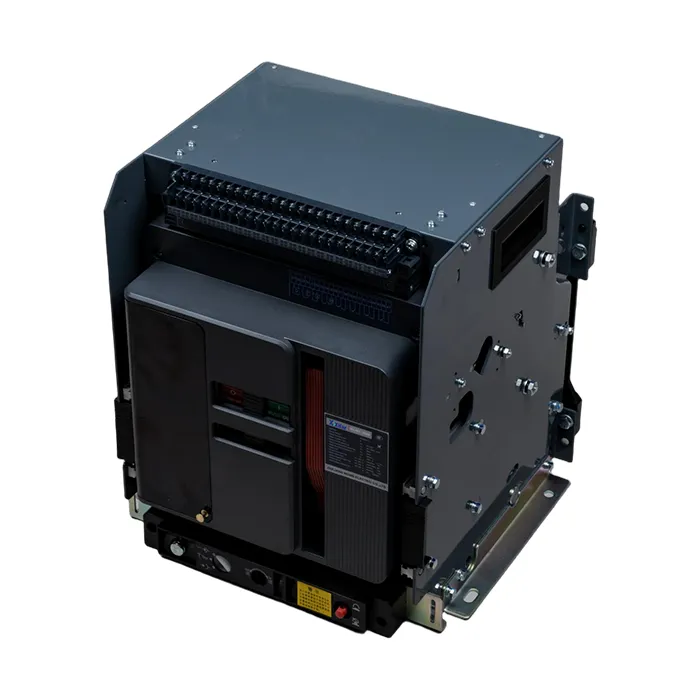
Air Circuit Breakers

Applications of Air Circuit Breakers in Modern Power Systems

Air Circuit Breakers are widely used across various sectors, including:

  • Industrial manufacturing plants
  • Commercial buildings and data centers
  • Hydroelectric, solar, and wind power stations
  • Urban infrastructure and construction projects
  • Main distribution panels and substations

Their versatility and reliability make them indispensable in ensuring uninterrupted power supply and system protection.

Conclusion: ACB Is Not Optional—It’s Essential

While normal breakers and fuses may serve basic protection needs, they cannot match the performance, flexibility, and reliability of Air Circuit Breakers in modern electrical systems. For high-capacity, mission-critical applications, ACBs are not just an upgrade—they are a necessity.

For procurement professionals seeking dependable power distribution solutions, investing in high-quality Air Circuit Breakers ensures safety, efficiency, and long-term cost savings. By partnering with a trusted manufacturer, buyers can secure not only reliable products but also the technical support needed to succeed in today’s competitive energy market.

Related News
Leave me a message
X
We use cookies to offer you a better browsing experience, analyze site traffic and personalize content. By using this site, you agree to our use of cookies. Privacy Policy
Reject Accept