News

Why Is a Load Break Switch (LBS) Essential for Modern Power Distribution Systems

2026-02-09 0 Leave me a message

In today’s rapidly evolving electrical infrastructure, ensuring safe, reliable, and efficient power distribution is more critical than ever. The Load Break Switch (LBS) plays a pivotal role in medium-voltage (MV) networks by enabling load switching, isolation, and sectionalizing of electrical circuits. This in-depth guide explores why a Load Break Switch LBS is essential for modern power distribution systems, covering its working principles, key components, types, applications, advantages, standards, and selection criteria.

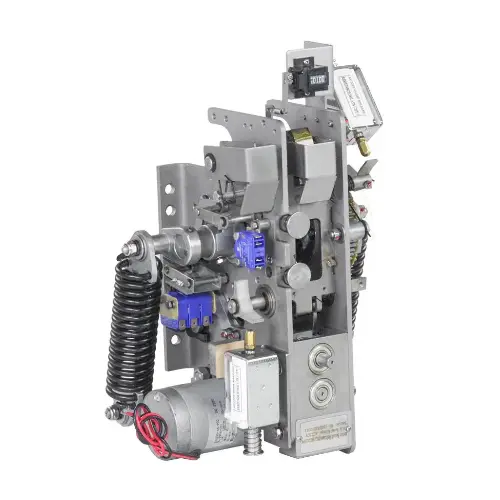
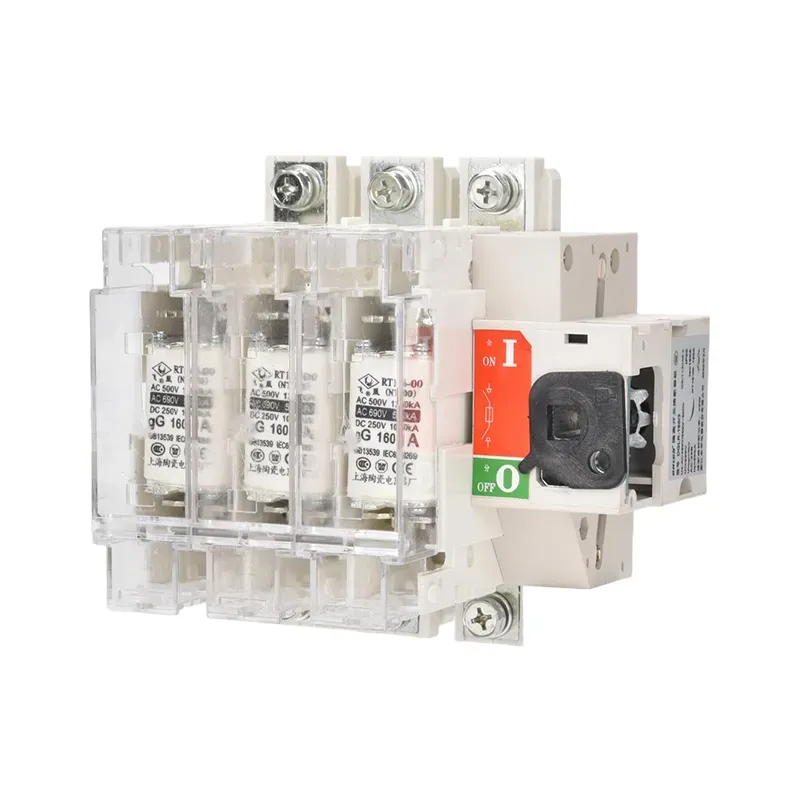
Load Break Switch LBS

Table of Contents


1. What Is a Load Break Switch (LBS)?

A Load Break Switch (LBS) is a mechanical switching device designed to make, carry, and break currents under normal load conditions in medium-voltage power systems. Unlike simple isolators, an LBS can interrupt load current safely without causing damaging arcs or system instability.

Typically rated from 1kV to 36kV, load break switches are widely used in ring main units (RMUs), substations, and industrial distribution panels. Manufacturers like XiFa engineer LBS products to meet international standards while ensuring compact design, operational safety, and long service life.


2. How Does a Load Break Switch Work?

The working principle of a Load Break Switch revolves around controlled arc extinction. When the switch opens under load, an arc is formed between contacts. This arc is quickly extinguished using specialized media such as:

  • SF6 gas
  • Vacuum
  • Air with arc chutes

By controlling the arc, the LBS ensures safe disconnection without damaging equipment or endangering operators. This capability makes it indispensable in modern power distribution networks where operational continuity and safety are paramount.


3. Key Components of a Load Break Switch

Component Function
Fixed & Moving Contacts Carry and interrupt load current
Arc Extinguishing Chamber Suppresses electrical arcs during switching
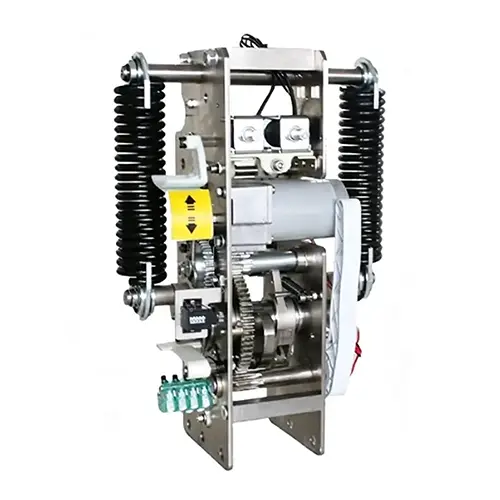
Operating Mechanism Manual or motorized control of switch action
Insulating Medium Ensures dielectric strength and safety
Enclosure Protects internal components from environment

4. Types of Load Break Switches

  • Air Load Break Switch – Economical and simple, suitable for indoor panels
  • SF6 Load Break Switch – Excellent insulation and arc quenching, common in RMUs
  • Vacuum Load Break Switch – Environment-friendly and maintenance-free
  • Oil Load Break Switch – Traditional type, now less common

5. Why Is a Load Break Switch Essential in Modern Power Distribution?

Modern power distribution systems demand flexibility, safety, and reliability. The Load Break Switch LBS fulfills these requirements in several critical ways:

  • Enables safe switching under load conditions
  • Improves network sectionalizing and fault isolation
  • Reduces downtime during maintenance
  • Enhances operator and equipment safety

In smart grids and urban power networks, LBS units supplied by trusted manufacturers like XiFa help utilities achieve higher operational efficiency while meeting regulatory compliance.


6. Load Break Switch vs Circuit Breaker

Feature Load Break Switch Circuit Breaker
Interrupt Load Current Yes Yes
Interrupt Fault Current No Yes
Cost Lower Higher
Typical Application Sectionalizing & isolation Fault protection

7. Applications of Load Break Switch LBS

  • Medium-voltage substations
  • Ring main units (RMUs)
  • Industrial plants
  • Commercial buildings
  • Renewable energy systems

For detailed product configurations and application cases, you may refer to Load Break Switch LBS solutions provided by XiFa.


8. Technical Standards and Ratings

  • IEC 62271-103
  • GB standards
  • Rated voltage: up to 36kV
  • Rated current: typically 400A – 630A
  • Short-time withstand current ratings

9. How to Choose the Right Load Break Switch LBS

  1. Determine system voltage and current requirements
  2. Select appropriate insulation medium
  3. Consider installation environment (indoor/outdoor)
  4. Verify compliance with international standards
  5. Choose a reliable supplier such as XiFa

10. FAQs About Load Break Switches

Q1: Can a load break switch interrupt short-circuit current?

No. A load break switch is designed for load current interruption only and must be used with protective devices.

Q2: What is the typical lifespan of an LBS?

With proper operation, high-quality LBS products can exceed 20 years of service life.

Q3: Is an SF6 load break switch environmentally safe?

Modern designs minimize gas leakage, but vacuum alternatives are increasingly preferred.


Conclusion

The Load Break Switch LBS is an indispensable component in modern power distribution systems, balancing safety, efficiency, and cost-effectiveness. By understanding its function, types, and applications, stakeholders can make informed decisions that enhance network reliability.

If you are looking for high-performance, standards-compliant Load Break Switch solutions, XiFa offers a comprehensive product range tailored to global power distribution needs.

For technical consultation, customized solutions, or competitive quotations, feel free to contact us today and let our experts support your next power project.

Related News
Leave me a message
X
We use cookies to offer you a better browsing experience, analyze site traffic and personalize content. By using this site, you agree to our use of cookies. Privacy Policy
Reject Accept