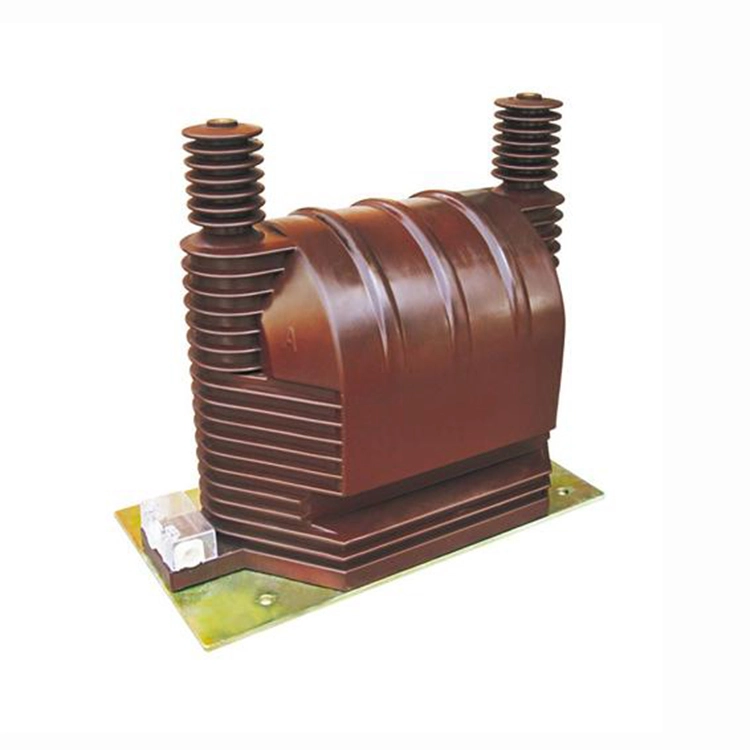
Article Summary: A power system can look stable on the outside while silently facing repeated overvoltage stress from lightning, switching operations, weak grounding, insulation aging, and harsh outdoor conditions. This article explains how a Surge Arrester helps protect transformers, switchgear, distribution lines, and industrial electrical panels. It also gives buyers a practical way to compare voltage ratings, housing materials, discharge capacity, installation environments, and supplier support before making a purchasing decision. For project engineers, procurement teams, and electrical contractors, the goal is simple: choose protection that reduces equipment failure, downtime, and unnecessary replacement cost.
Table of Contents
- Article Outline
- Why does overvoltage protection become a hidden purchasing risk?
- How does a Surge Arrester protect electrical equipment?
- Which factors should buyers compare before choosing a Surge Arrester?
- Where should a Surge Arrester be used in real projects?
- Which Surge Arrester type fits different working conditions?
- What mistakes make arrester selection less reliable?
- How can supplier capability reduce long-term project risk?
- FAQ
- Conclusion
Article Outline
- Identify the real pain points behind surge damage, including lightning, switching surges, insulation stress, and unplanned outage cost.
- Explain the working logic of a Surge Arrester in plain engineering language without overcomplicating the concept.
- Provide a buyer-focused checklist for voltage rating, discharge current, residual voltage, housing material, sealing performance, and installation conditions.
- Compare typical application scenarios such as substations, transformers, overhead lines, photovoltaic systems, factories, and distribution cabinets.
- Show how a professional manufacturer such as Wenzhou Xifa Electrical Equipment Co., Ltd. can support product matching, technical communication, and stable supply.
Why does overvoltage protection become a hidden purchasing risk?
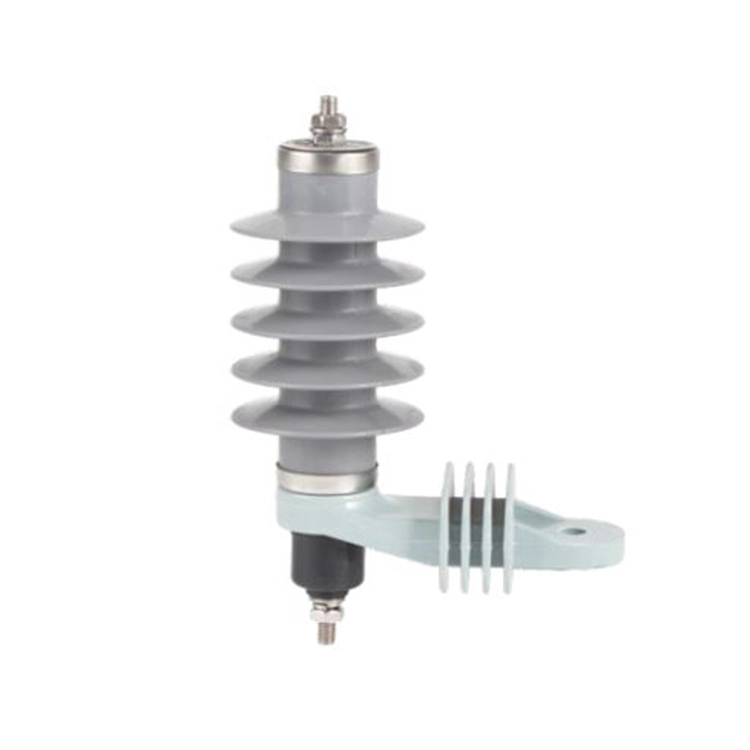
Many electrical failures do not start with a dramatic explosion or a visible fault. They often begin with short, repeated voltage spikes that stress insulation little by little. A transformer may continue running after a lightning event. A switchgear cabinet may pass a basic visual inspection. A distribution line may return to normal after a switching operation. But inside the equipment, insulation may already have suffered partial damage.
This is why overvoltage protection is not just an accessory decision. It is a risk-control decision. When a purchasing team chooses the wrong Surge Arrester, the cost is rarely limited to the arrester itself. The real cost can include transformer repair, circuit breaker damage, production shutdown, emergency labor, delayed delivery, and customer complaints from unstable power supply.
For many buyers, the difficult part is that surge protection looks simple from the outside. The product may be small compared with a transformer or switchgear unit, but its selection depends on system voltage, grounding condition, insulation coordination, pollution level, altitude, humidity, installation method, and expected surge energy. Choosing only by price or by a familiar voltage label can leave a project exposed to avoidable failure.
A reliable Surge Arrester helps reduce this uncertainty. It gives abnormal surge current a controlled path to ground and limits the voltage that reaches protected equipment. For utilities, factories, renewable energy sites, and contractors, that controlled protection is often the difference between a stable system and a costly emergency.
How does a Surge Arrester protect electrical equipment?
A Surge Arrester is designed to remain highly resistant during normal operating voltage. Under normal conditions, it does not interrupt the power system and does not act like a switch. Its real function appears when an abnormal overvoltage occurs, such as a lightning impulse or a switching surge.
When voltage rises above a safe level, the arrester quickly changes its electrical behavior. It conducts surge current toward ground and clamps the voltage to a level that protected equipment can withstand. After the surge passes, it returns to a high-resistance state so the system can continue operating normally.
Modern metal oxide arresters commonly use zinc oxide varistor elements because they provide strong nonlinear characteristics. In simple terms, this means the arrester resists current under normal voltage but reacts quickly when surge voltage appears. This response helps reduce residual voltage, protect insulation, and prevent the surge from reaching sensitive equipment at full strength.
For buyers, this working principle matters because it changes the way the product should be evaluated. A good arrester is not only about rated voltage. It is also about response speed, discharge capability, residual voltage level, sealing structure, mechanical strength, aging resistance, and suitability for the installation environment.
- Normal operation: the arrester stays in a high-resistance state.
- Surge event: it conducts surge current to ground.
- Voltage limiting: it reduces the overvoltage seen by protected equipment.
- Recovery: it returns to normal after the surge disappears.
- Long-term value: it lowers the chance of insulation breakdown and equipment failure.
Which factors should buyers compare before choosing a Surge Arrester?
Buying a Surge Arrester should begin with the electrical system, not the product catalog. The same voltage class may still require different arrester specifications depending on grounding method, line exposure, local lightning density, switching frequency, and protected equipment value. A transformer in a rural overhead network does not face exactly the same risk as a surge arrester installed inside a factory distribution cabinet.
The first factor is rated voltage and continuous operating voltage. If the selected arrester cannot tolerate the system’s normal operating conditions, it may age too quickly. If the protection level is too high, the protected equipment may still receive dangerous voltage stress. Buyers should make sure the arrester’s rating matches the system rather than simply choosing a common model.
The second factor is discharge current capacity. A project exposed to frequent lightning or outdoor line surges may need stronger energy handling than a more controlled indoor environment. This is especially important for substations, pole-mounted transformers, and overhead distribution systems.
The third factor is housing material. Porcelain housings are valued for mechanical strength and traditional application stability. Polymer housings are often chosen for lighter weight, better anti-pollution behavior, and improved performance in humid or contaminated environments. The right choice depends on installation position, maintenance habits, environmental exposure, and project preference.
The fourth factor is sealing and moisture resistance. Moisture ingress can shorten service life and reduce reliability. For outdoor projects, sealing quality should be treated as a core purchasing requirement rather than a minor production detail.
Finally, buyers should compare the supplier’s ability to explain technical parameters clearly. When a supplier can discuss voltage class, residual voltage, housing choice, installation method, and project conditions in practical language, the buyer is less likely to receive a mismatched product.
Where should a Surge Arrester be used in real projects?
A Surge Arrester is widely used wherever electrical equipment needs protection from transient overvoltage. In medium voltage distribution systems, arresters are commonly installed near transformers, switchgear, cable terminations, overhead lines, capacitor banks, and incoming or outgoing feeders.
In substations, arresters help protect expensive equipment from lightning and switching surges. In transformer applications, they reduce the risk of winding insulation breakdown. In industrial plants, they help protect panels and production-related electrical systems from unexpected voltage spikes. In renewable energy projects such as photovoltaic and wind power facilities, surge protection is especially important because equipment may be installed in exposed outdoor environments.
For contractors, the practical question is not whether surge protection is useful. The question is where protection should be placed so it actually reduces risk. Installing an arrester too far from protected equipment, using poor grounding, or ignoring environmental exposure can weaken the protection effect.
- Distribution transformers: protect transformer insulation against lightning and switching overvoltage.
- Switchgear systems: reduce overvoltage stress on circuit breakers, busbars, and connected equipment.
- Overhead lines: improve protection in areas exposed to direct or nearby lightning events.
- Industrial facilities: reduce downtime risk for production-related electrical infrastructure.
- Renewable energy sites: support stable operation in outdoor and high-exposure environments.
- Urban distribution networks: help maintain power reliability for commercial and residential loads.
Which Surge Arrester type fits different working conditions?
Different working conditions require different product choices. The table below gives a practical comparison to help buyers communicate more clearly with suppliers before placing an order.
| Working Condition | Common Buyer Concern | Suggested Selection Focus | Why It Matters |
|---|---|---|---|
| Outdoor distribution transformer | Lightning exposure and insulation failure | Suitable voltage rating, strong discharge capacity, reliable sealing | The arrester must handle outdoor surges while protecting transformer winding insulation. |
| Coastal or humid area | Moisture, salt fog, and surface pollution | Polymer housing, anti-pollution design, moisture-resistant structure | Environmental stress can accelerate aging if the housing and sealing are not suitable. |
| Substation equipment | High replacement cost and strict protection coordination | Low residual voltage, stable zinc oxide elements, tested performance | Substation equipment requires dependable protection because failure cost is high. |
| Industrial electrical panel | Production downtime and sensitive loads | Correct installation position, matched voltage level, stable grounding | Fast recovery after surge events helps reduce interruption risk. |
| Renewable energy project | Outdoor exposure and long service cycle | Weather-resistant housing, stable discharge performance, technical customization | Solar and wind sites often face open-field lightning and environmental stress. |
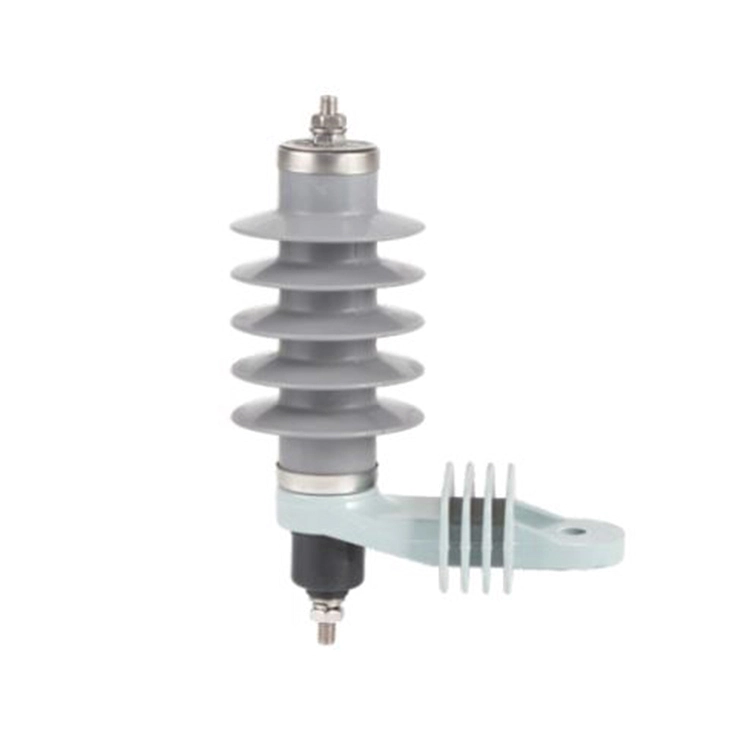
Wenzhou Xifa Electrical Equipment Co., Ltd. provides surge arrester solutions for different distribution and protection scenarios, helping buyers match the product structure and electrical parameters to the actual working environment. This kind of matching is important because the best arrester is not always the most expensive one; it is the one that fits the system risk correctly.
What mistakes make arrester selection less reliable?
One common mistake is choosing a Surge Arrester only by nominal system voltage. Voltage class is important, but it is not enough. Buyers also need to confirm continuous operating voltage, residual voltage, discharge current, frequency, altitude, grounding method, pollution level, and installation location.
Another mistake is ignoring housing material. A product installed in a dry indoor cabinet does not face the same environmental pressure as one installed near the coast, in a high-humidity region, or on an exposed outdoor pole. Polymer and porcelain options each have their place, but the decision should be based on operating conditions rather than habit alone.
A third mistake is overlooking grounding. Even a well-made arrester cannot perform properly if the grounding path is poor. The purpose of the arrester is to guide surge current safely to ground. If grounding resistance, connection quality, or installation distance is not controlled, protection performance may be reduced.
Buyers also sometimes focus too heavily on purchase price while ignoring failure cost. A cheaper arrester may look attractive in a spreadsheet, but if it leads to transformer damage or repeated maintenance visits, the total cost becomes much higher. For critical projects, stable protection and supplier accountability should weigh more heavily than a small unit-price difference.
- Do not select only by voltage label without checking full parameters.
- Do not ignore grounding quality and installation distance.
- Do not use indoor assumptions for outdoor environments.
- Do not treat housing material as a purely cosmetic choice.
- Do not compare price without considering downtime and replacement cost.
- Do not purchase without confirming technical support and documentation.
How can supplier capability reduce long-term project risk?
A dependable Surge Arrester supplier does more than ship a product. For medium voltage projects, the supplier should help buyers understand whether the selected arrester matches the equipment being protected, the installation environment, and the expected surge risk.
This matters because many procurement teams are not only buying for one installation. They may be supporting a group of projects, a regional distribution network, a batch of transformers, or a long-term industrial upgrade. In these cases, consistent product quality, clear communication, and stable supply become just as important as the first quotation.
Wenzhou Xifa Electrical Equipment Co., Ltd. works in the electrical equipment field with product categories related to power distribution and protection. For buyers, this background can make communication smoother because surge arresters are often selected together with transformers, switchgear, switches, fuses, and other distribution products. When the supplier understands the wider electrical system, it becomes easier to avoid mismatched specifications.
Good supplier support should include parameter confirmation, model recommendation, product documentation, packaging suitable for export, and timely communication when project conditions are unusual. If a buyer is unsure whether to use polymer or porcelain housing, or whether a standard model can fit a specific voltage level, the supplier should be able to respond with practical guidance rather than vague promises.
Buyer Tip: Before confirming an order, prepare the system voltage, installation location, protected equipment type, altitude, pollution level, grounding condition, and expected application. These details help the supplier recommend a Surge Arrester that fits the real project instead of only matching a catalog name.
FAQ
The main purpose of a Surge Arrester is to limit transient overvoltage and guide surge current safely to ground. This helps protect transformers, switchgear, distribution lines, and electrical panels from lightning surges and switching surges.
The two terms are often used closely, especially in power distribution. A lightning arrester usually refers to protection against lightning-related overvoltage, while a Surge Arrester may also cover switching surges and other transient overvoltage events. In practical purchasing, the key is to confirm the electrical parameters and application environment.
Many transformers, especially those connected to overhead lines or installed outdoors, benefit from surge protection. Whether a specific transformer needs a Surge Arrester depends on system design, lightning exposure, insulation coordination, grounding, and reliability requirements.
Neither option is universally better for every project. Porcelain housings are known for mechanical strength and traditional stability. Polymer housings are lighter and often preferred in polluted, humid, or outdoor environments. The better choice depends on installation conditions and project standards.
Inspection frequency depends on the operating environment and maintenance policy. Outdoor arresters in harsh conditions should be checked more carefully for surface contamination, physical damage, loose connections, moisture concerns, and grounding reliability.
A mismatched arrester may fail to provide the intended protection level or may age too quickly under normal system voltage. This can leave transformers and switchgear exposed to surge damage. Correct selection is essential for reliable protection.
Conclusion
Choosing the right Surge Arrester is not a small technical detail. It is a direct decision about system reliability, equipment life, maintenance cost, and project safety. Buyers who only compare price or voltage labels may miss the real factors that determine protection performance. A better approach is to review the full application: system voltage, grounding, lightning exposure, protected equipment, housing material, discharge capacity, and supplier support.
For contractors, utilities, factories, and renewable energy projects, a properly selected Surge Arrester can reduce hidden risk before it becomes visible damage. It helps protect transformers, switchgear, lines, and panels from sudden voltage stress, allowing the electrical system to operate with greater confidence.
If you are selecting surge protection for a new project or replacing existing arresters, Wenzhou Xifa Electrical Equipment Co., Ltd. can help you compare suitable options based on your working conditions and technical requirements. Share your voltage level, installation environment, and protected equipment details with our team, and contact us today to get practical product guidance and a suitable quotation for your project.