News

What Is a Vacuum Circuit Breaker (VCB) and How Does It Work

2026-02-04 0 Leave me a message

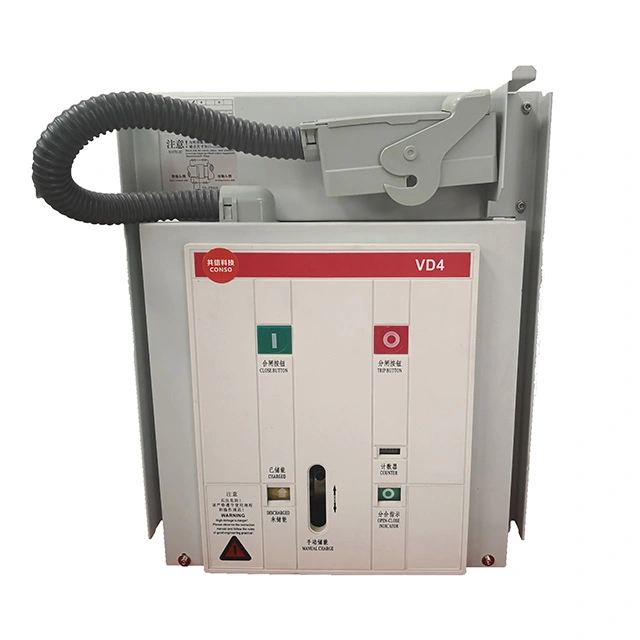
A Vacuum Circuit Breaker (VCB) is one of the most reliable and widely used switching devices in medium-voltage power systems. By utilizing vacuum as the arc-extinguishing medium, VCBs offer superior insulation performance, long service life, minimal maintenance, and excellent environmental compatibility.

In this in-depth guide, we will explain what a vacuum circuit breaker is, how it works, its key components, advantages over other circuit breakers, and typical applications. This article is designed to help engineers, EPC contractors, and power system decision-makers clearly understand why VCBs have become the preferred choice in modern electrical networks.

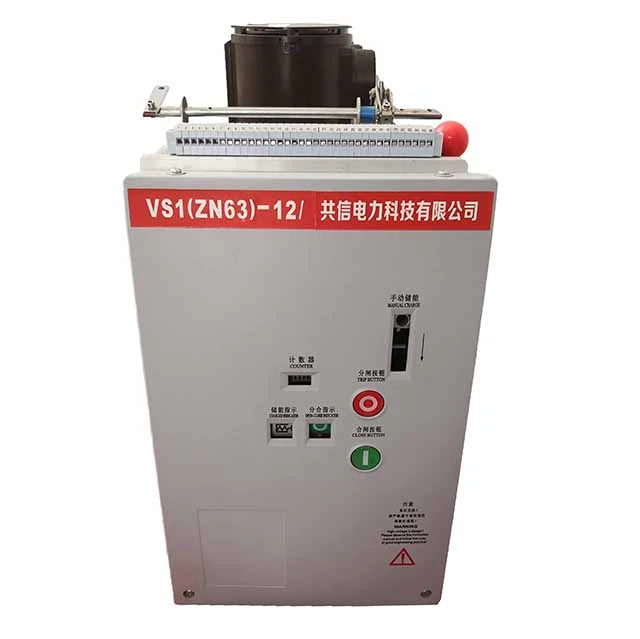
Vacuum Circuit Breaker VCB

Table of Contents


1. What Is a Vacuum Circuit Breaker?

A Vacuum Circuit Breaker (VCB) is a type of electrical switchgear designed to protect electrical circuits by interrupting current flow under normal and fault conditions. Unlike oil or gas circuit breakers, a VCB uses a high vacuum environment as the arc-quenching medium.

When the contacts inside the breaker separate, the electric arc generated is quickly extinguished in vacuum due to the absence of ionizable particles. This makes vacuum circuit breakers extremely efficient and safe for medium-voltage ranges, typically from 3.3 kV to 36 kV.


2. How Does a Vacuum Circuit Breaker Work?

The working principle of a vacuum circuit breaker is based on the rapid recovery of dielectric strength in vacuum. When a fault occurs, the breaker mechanism separates the contacts inside a sealed vacuum interrupter.

Step-by-Step Working Process

  1. Under normal conditions, current flows through closed contacts.
  2. During a fault, the protection relay sends a trip signal.
  3. The operating mechanism opens the contacts inside the vacuum interrupter.
  4. An arc forms momentarily but is rapidly extinguished due to vacuum conditions.
  5. Dielectric strength recovers almost instantly, preventing re-ignition.

This efficient arc extinction is the reason why vacuum circuit breakers are known for high breaking capacity and long electrical endurance.


3. Main Components of a Vacuum Circuit Breaker

Component Function
Vacuum Interrupter Extinguishes the arc and interrupts current flow
Fixed & Moving Contacts Conduct and interrupt electrical current
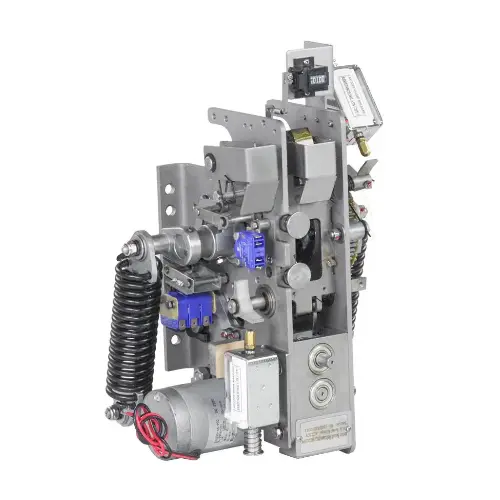
Operating Mechanism Provides mechanical energy to open and close contacts
Insulating Enclosure Ensures electrical isolation and safety
Control Circuit Manages tripping, closing, and protection logic

4. Advantages of Vacuum Circuit Breakers

  • Long mechanical and electrical life
  • Minimal maintenance requirements
  • High reliability and safety
  • No risk of fire or explosion
  • Environmentally friendly (no oil or SF₆ gas)
  • Compact and lightweight design

Compared with traditional technologies, vacuum circuit breakers provide a balanced solution for performance, sustainability, and lifecycle cost.


5. VCB vs SF₆ vs Oil Circuit Breakers

Feature VCB SF₆ CB Oil CB
Arc Medium Vacuum SF₆ Gas Oil
Maintenance Very Low Medium High
Environmental Impact Eco-friendly High (Greenhouse Gas) Pollution Risk
Typical Voltage Up to 36 kV Up to 800 kV Up to 33 kV

6. Applications of Vacuum Circuit Breakers

Vacuum circuit breakers are widely used in:

  • Power distribution substations
  • Industrial plants and factories
  • Commercial buildings
  • Renewable energy systems
  • Railway and mining applications

Manufacturers like XiFa provide vacuum circuit breaker solutions designed to meet international standards and diverse application requirements.


7. How to Choose the Right Vacuum Circuit Breaker

When selecting a VCB, consider the following factors:

  • Rated voltage and current
  • Short-circuit breaking capacity
  • Installation environment
  • Operating mechanism type
  • Compliance with IEC / ANSI standards

8. Maintenance and Service Life of VCBs

One of the biggest advantages of vacuum circuit breakers is their low maintenance demand. Since there is no oil or gas to replace, routine inspections mainly focus on mechanical parts and control circuits.

Under normal operating conditions, a VCB can achieve a service life of 20–30 years.


9. Frequently Asked Questions (FAQ)

Q1: Why is vacuum used in circuit breakers?

Vacuum provides excellent dielectric strength and rapid arc extinction, ensuring safe and reliable interruption.

Q2: Are vacuum circuit breakers environmentally friendly?

Yes. VCBs do not use oil or SF₆ gas, making them one of the most eco-friendly circuit breaker technologies.

Q3: What voltage levels are suitable for VCBs?

Vacuum circuit breakers are mainly used in medium-voltage systems up to 36 kV.

Q4: How often does a VCB need maintenance?

Typically, VCBs require minimal maintenance, with periodic inspections every few years.


If you are looking for reliable, efficient, and environmentally responsible vacuum circuit breaker solutions, XiFa offers a wide range of products tailored to modern power systems. Feel free to contact us to get expert support, technical guidance, and customized solutions for your project.

Related News
Leave me a message
X
We use cookies to offer you a better browsing experience, analyze site traffic and personalize content. By using this site, you agree to our use of cookies. Privacy Policy
Reject Accept