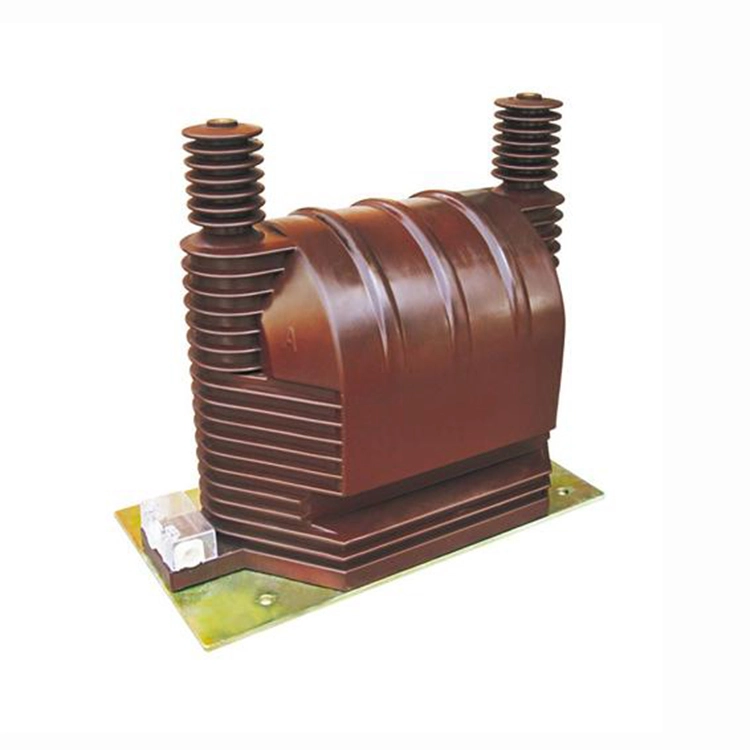
A cut out fuse is often treated like a small accessory in an outdoor distribution system, yet it plays a decisive role in protecting transformers, overhead lines, and maintenance teams from avoidable failures. Buyers who choose only by price often run into trouble later: nuisance operations, poor weather resistance, difficult installation, short service life, and unclear product matching.
In this article, I break down what a cut out fuse really does, where buyers usually make mistakes, what technical and practical details deserve attention, and how the right product choice can reduce outages, replacement frequency, and long-term maintenance pressure. I also explain how a reliable manufacturer such as Wenzhou Xifa Electrical Equipment Co., Ltd. fits into the purchasing decision when consistency, customization, and outdoor performance matter.
- Outline
- What Is a Cut out Fuse and Why Does It Matter?
- What Problems Do Buyers Usually Face?
- Which Factors Actually Decide Whether a Cut out Fuse Works Well?
- How Can Buyers Compare Options More Clearly?
- Where Is a Cut out Fuse Most Commonly Used?
- Why Is the Lowest Price Often the Most Expensive Choice Later?
- What Should You Expect From a Serious Supplier?
- FAQ
- Definition and role of a cut out fuse in outdoor distribution systems
- Common customer pain points during selection and use
- Practical buying criteria beyond price alone
- Application-based thinking for utilities, transformers, and industrial sites
- A side-by-side comparison table to simplify decision-making
- Frequently asked questions from real-world buyers
What Is a Cut out Fuse and Why Does It Matter?
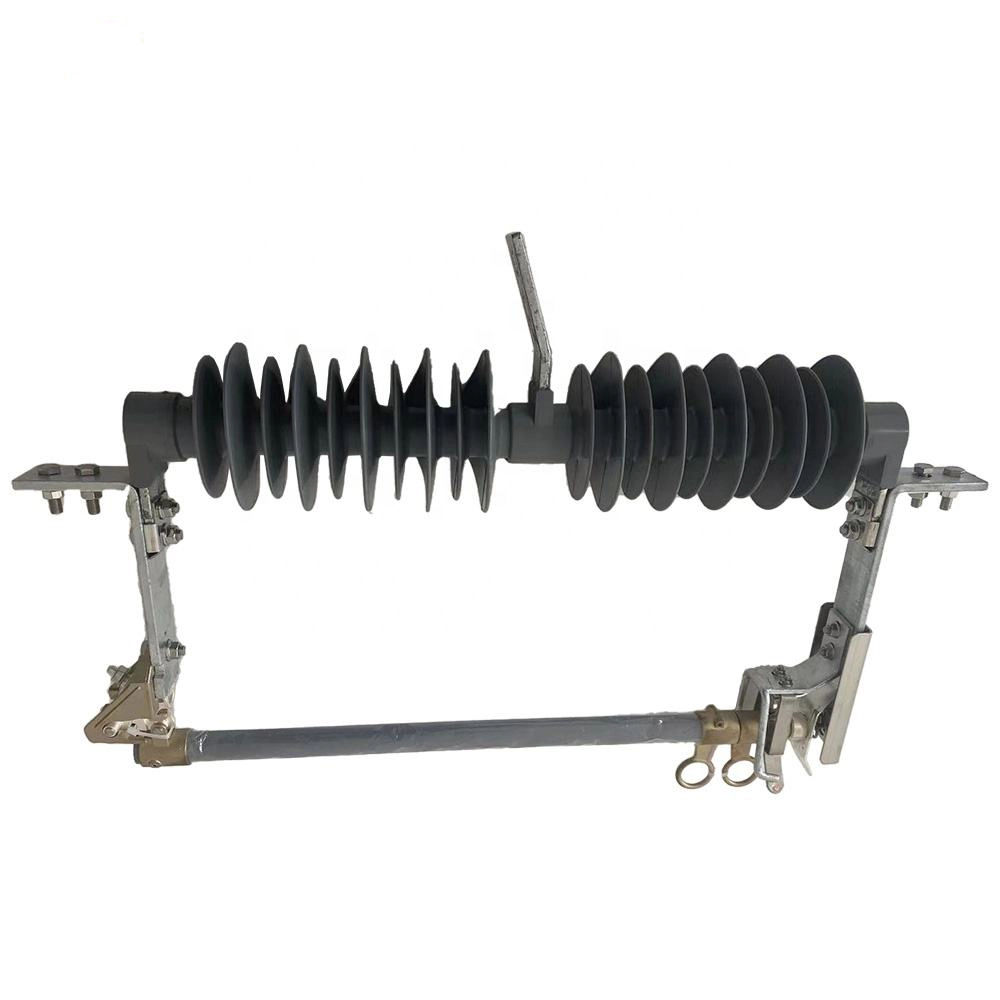
A Cut out Fuse is a protective device commonly installed on outdoor overhead distribution systems. Its job looks simple on paper, but in practice it handles a lot of responsibility. It protects transformers and power lines from overload and short-circuit faults, and it also provides a visible disconnection point that helps maintenance personnel work more safely.
That visible disconnect matters more than many buyers first assume. In real operating environments, the issue is not only whether a fault can be interrupted. The issue is whether line crews can confirm the circuit status quickly and confidently. A well-designed Cut out Fuse does not just react to abnormal current. It supports safer inspection, faster fault isolation, and a cleaner maintenance process.
This is why experienced buyers do not treat it as a throwaway component. When the wrong unit is installed, the whole distribution system can suffer from premature replacement, weather-related deterioration, unstable performance, or unnecessary downtime. When the right one is chosen, the same device becomes a quiet but critical layer of protection that keeps infrastructure running with fewer surprises.
What Problems Do Buyers Usually Face?
I have noticed that many buyers start with a clear goal—protect the line, protect the transformer, keep the system stable—but get pulled into confusion once they compare actual products. The market is full of options that look similar in photos and basic descriptions. The pain starts when those products are expected to survive real outdoor service.
- Unclear matching: The product is purchased without careful alignment to voltage level, current rating, or local operating conditions.
- Weak weather performance: Outdoor exposure to UV, pollution, moisture, heat, and temperature swings shortens service life.
- Inconsistent quality: Some batches work acceptably while others show unstable component quality or assembly precision.
- Difficult replacement and maintenance: A device that looks cost-effective up front may become time-consuming in field operations.
- Overfocus on initial price: Buyers may save on procurement but lose more through downtime, complaints, and frequent replacement.
Another practical issue is that many purchasing teams are not buying for laboratory conditions. They are buying for rural grids, industrial sites, utility networks, substations, and outdoor lines where dust, rain, salt air, and long service intervals are normal. In those cases, the real question is not “Can this product work?” but “Can this Cut out Fuse keep working reliably when conditions are far from ideal?”
Which Factors Actually Decide Whether a Cut out Fuse Works Well?
A better buying decision comes from looking at performance in layers rather than relying on one headline specification. When I evaluate a Cut out Fuse, I focus on whether the product can protect the system consistently, operate safely outdoors, and remain practical for long-term use.
| Key Factor | Why It Matters | What Buyers Should Check |
|---|---|---|
| Voltage and current suitability | Incorrect matching can lead to unreliable protection or unnecessary operations | Rated voltage, current range, system frequency, transformer-side requirements |
| Material quality | Outdoor service demands resistance to UV, pollution, moisture, and aging | Porcelain or polymer insulation quality, hardware durability, fuse tube construction |
| Mechanical stability | Switching action and structural integrity affect fault isolation and visible disconnection | Operating consistency, contact design, mounting strength, field handling |
| Quality control | Even a good design fails when production consistency is weak | Inspection process, batch traceability, testing routines, factory standards |
| Service support | Technical guidance reduces selection mistakes and installation issues | Application advice, customization ability, response speed, after-sales communication |
Buyers also need to think beyond the product itself. If the supplier cannot explain where the unit performs best, what environment it was designed for, or how different configurations affect field use, that is already a warning sign. A reliable supplier helps narrow the choice, not complicate it.
How Can Buyers Compare Options More Clearly?
One of the easiest ways to avoid a weak purchase is to compare products from an operational point of view rather than a catalog point of view. The table below reflects the kind of questions serious buyers should ask before they commit.
| Buying Approach | Short-Term Result | Long-Term Result |
|---|---|---|
| Choose only by lowest quotation | Fast approval and lower upfront spending | Higher replacement risk, more maintenance pressure, possible outages |
| Choose by balanced technical fit | Better alignment with actual grid or transformer conditions | More stable performance and fewer operational surprises |
| Choose a supplier with customization ability | Improved fit for specific voltage, current, or local environment | Lower mismatch risk and more efficient field application |
| Choose a supplier with quality traceability | Stronger confidence during procurement | More predictable batch consistency and easier issue tracking |
This is where a manufacturer like Wenzhou Xifa Electrical Equipment Co., Ltd. becomes relevant to buyers who care about more than a one-time order. A dependable manufacturing partner should be able to support multiple voltage classes, offer product options for different outdoor requirements, and maintain a controlled production and inspection process. That kind of support is not decorative. It directly affects purchasing confidence.
Where Is a Cut out Fuse Most Commonly Used?
A Cut out Fuse appears in a wide range of outdoor power distribution settings, but the exact priority can differ depending on the application. Buyers who understand the intended use usually make better selections from the start.
-
Overhead distribution lines
These environments demand dependable fault interruption and visible isolation, especially where line access is spread out and maintenance windows are limited. -
Distribution transformers
Transformer protection is one of the most common reasons for using a Cut out Fuse. The goal is not only equipment protection but also limiting the spread of fault impact. -
Rural and utility networks
In remote or widely distributed systems, service simplicity and durability matter a lot. Repeated replacement is expensive in labor and time. -
Industrial and commercial power facilities
Sites that need a practical and visible outdoor protection solution often value a product that can remain stable under changing environmental conditions. -
Renewable and mixed infrastructure projects
Any outdoor installation exposed to variable climates benefits from thoughtful component selection instead of generic purchasing.
Once buyers define the application clearly, the selection process becomes much easier. Instead of asking, “Which item is cheapest?” they can ask, “Which product helps this system stay protected with less intervention over time?” That is a much smarter question, and it usually leads to a much better order.
Why Is the Lowest Price Often the Most Expensive Choice Later?
This is the part many people learn the hard way. A low purchase price looks attractive during quotation review, but the real cost of a Cut out Fuse includes its behavior after installation. If the unit ages too quickly, performs inconsistently, or creates maintenance inconvenience, the savings disappear fast.
A slightly better product may reduce:
- Unexpected replacement frequency
- Maintenance crew travel and labor costs
- System downtime and service interruptions
- Purchasing uncertainty across repeated batches
- Complaints caused by unstable field performance
In other words, value is not just about what you pay today. It is about what you avoid paying tomorrow. That is especially true in outdoor electrical systems where access, downtime, and safety all carry real cost.
What Should You Expect From a Serious Supplier?
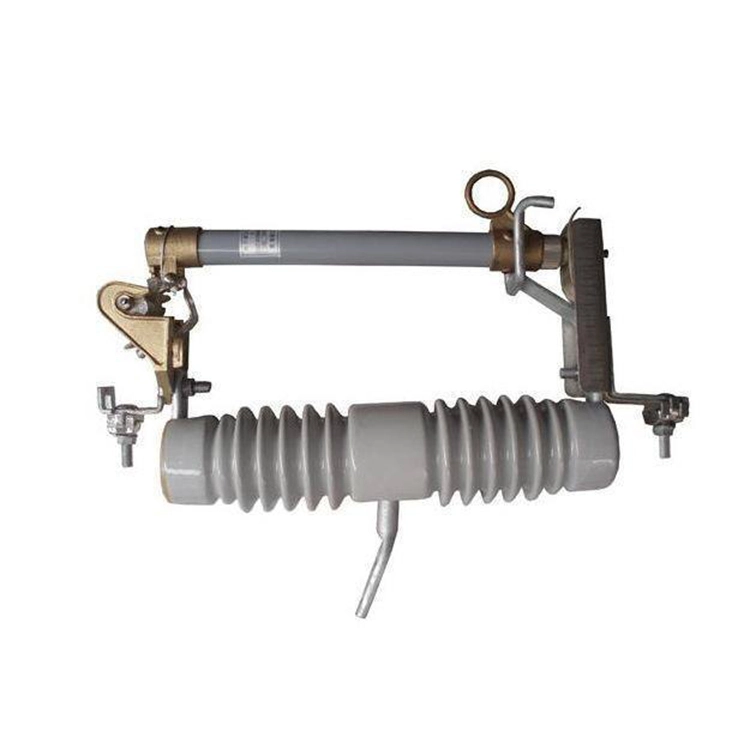
A serious supplier should do more than send a catalog and a price list. They should help you reduce purchasing risk. For a product like a Cut out Fuse, I would expect the supplier to offer practical guidance on selection, support product matching by operating conditions, and maintain stable manufacturing discipline.
A capable supplier should be able to provide:
- Clear explanation of suitable product ranges for different voltage and application scenarios
- Reliable material and component quality for outdoor service
- Consistent production control and inspection procedures
- Customization support when local requirements differ from standard models
- Responsive communication before and after the order
Wenzhou Xifa Electrical Equipment Co., Ltd. stands out to buyers who want that kind of dependable cooperation. When a manufacturer understands outdoor protection products in a practical way, the conversation becomes more useful: fewer vague promises, more applicable answers, and a better match between product and project.
If your project depends on stable overhead protection, visible isolation, and long-term outdoor reliability, then choosing the right supplier is not a side issue. It is part of the product decision itself.
Which Questions Do Buyers Ask Most Often About Cut out Fuse Products?
How do I know whether a cut out fuse is suitable for my system?
Start with your voltage level, current requirement, application position, and outdoor environment. Then confirm whether the product structure, insulation material, and operating design match those conditions. A supplier that asks these questions before quoting is usually a better sign than one that sends a generic offer immediately.
Is polymer better than porcelain for every project?
Not automatically. Both can be useful depending on the application and operating environment. The right choice depends on installation conditions, contamination exposure, durability expectations, and project preference.
Why does visible disconnection matter so much?
Because maintenance teams need confidence during inspection and service work. A visible disconnect helps confirm circuit status more directly and supports safer maintenance procedures.
Should I focus more on price or on service life?
In most outdoor power projects, service life and stable performance deserve heavier weight. A low-cost unit that needs frequent replacement often costs more over time.
Can a manufacturer support custom requirements?
A strong manufacturer usually can. This may include support for different voltage classes, current ratings, structural preferences, or project-specific matching needs.
Why Should Buyers Take Cut out Fuse Selection More Seriously?
Because this is one of those components that looks small until it fails at the wrong moment. A well-chosen Cut out Fuse protects equipment, supports safer maintenance, reduces disruption, and makes outdoor power systems easier to manage over time. A weak choice, on the other hand, can quietly create recurring cost, unnecessary risk, and operational frustration.
If you are comparing options now, do not stop at catalog images and quotations. Look at matching accuracy, material quality, field practicality, and supplier consistency. That is how buyers move from “good enough” to “truly dependable.”
If you are looking for a more reliable solution for transformer protection or overhead distribution applications, now is the right time to speak with a manufacturer that understands both product performance and real project needs. Contact us to discuss your requirements, compare suitable models, and find the right cut out fuse solution for your next order.