News

What Makes the Vacuum Circuit Breaker Spring Charge Operating Mechanism Essential for Modern Electrical Systems

2026-06-11 0 Leave me a message

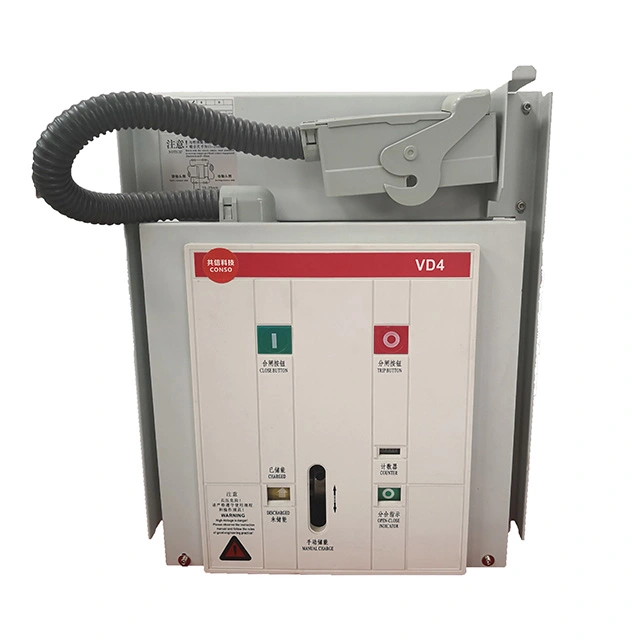
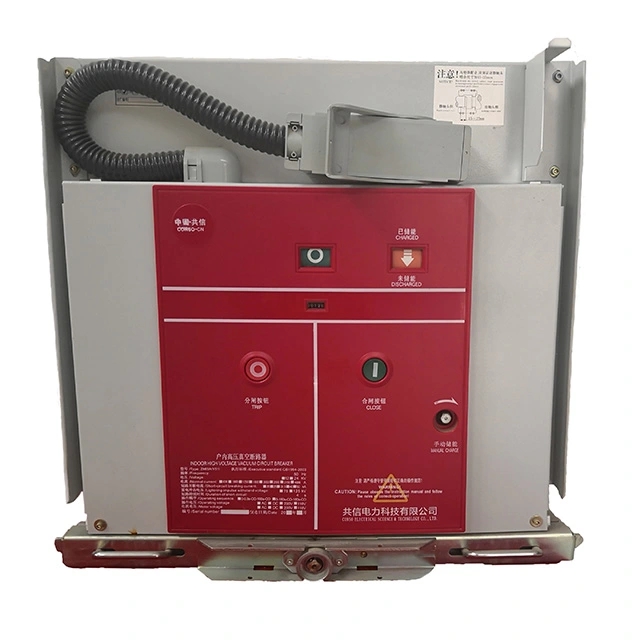
The Vacuum Circuit Breaker Spring Charge Operating Mechanism is a critical component in ensuring the reliability, safety, and efficiency of high-voltage electrical systems. This article explores its working principles, advantages, maintenance practices, and applications in modern electrical grids. Featuring insights from Xifa, a leading manufacturer, this guide is tailored for engineers, technicians, and electrical system planners seeking a comprehensive understanding of this mechanism.

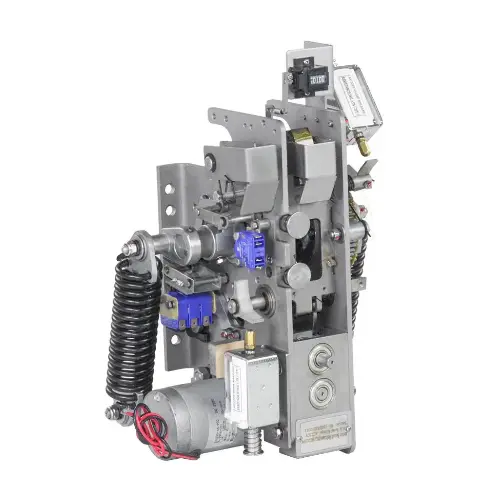
Vacuum Circuit Breaker Spring Charge Operating Mechanism

Table of Contents


Introduction

The Vacuum Circuit Breaker (VCB) Spring Charge Operating Mechanism plays a pivotal role in electrical distribution and transmission networks. Its primary function is to enable rapid and reliable switching of high-voltage circuits, ensuring system protection against short circuits and overloads. Xifa, as a leading provider of electrical solutions, has developed innovative mechanisms that maximize efficiency and durability for industrial and commercial applications.


Working Principle

The mechanism operates on a stored-energy principle. A spring is charged manually or electrically, storing potential energy. When a trip signal is received, this energy is released to open or close the contacts within the vacuum interrupter. This design ensures:

  • Fast and reliable operation
  • Minimized contact wear
  • Reduced arc duration for safety

The spring charge ensures consistent contact force, which is crucial for high-voltage performance.


Key Components

The mechanism comprises several essential components:

  1. Spring Assembly: Stores and releases mechanical energy.
  2. Operating Shaft: Transmits motion from the spring to the contacts.
  3. Latch System: Secures the spring in charged state until operation is triggered.
  4. Release Mechanism: Initiates the opening or closing action.
  5. Vacuum Interrupter: Extinguishes the arc when contacts separate.

Advantages of the Mechanism

  • High-speed operation ensuring quick fault isolation
  • Long service life due to minimal mechanical wear
  • Compact design suitable for indoor and outdoor switchgear
  • Reduced maintenance costs compared to conventional mechanisms
  • Reliable operation even under extreme environmental conditions

Applications in Electrical Systems

Xifa's Vacuum Circuit Breaker Spring Charge Operating Mechanism is widely used in:

  • Power generation plants
  • High-voltage substations
  • Industrial electrical systems
  • Renewable energy integration projects

Its ability to operate efficiently in diverse voltage and current ranges makes it suitable for a broad spectrum of electrical infrastructure.


Maintenance and Troubleshooting

Proper maintenance ensures optimal performance and longevity:

  • Regular inspection of spring tension and lubrication
  • Checking for mechanical wear in latches and shafts
  • Cleaning the vacuum interrupter periodically
  • Replacing damaged or worn components promptly

Common troubleshooting issues include delayed operation, reduced contact pressure, and inconsistent tripping, which can often be resolved by routine inspections and preventive maintenance.


Comparison Table

Feature Spring Charge Mechanism Direct Drive Mechanism Remarks
Operation Speed High Medium Spring charge provides faster actuation
Maintenance Frequency Low High Less wear due to stored-energy principle
Reliability Excellent Good Consistent contact force improves reliability
Cost Moderate Lower Higher initial cost but lower lifetime maintenance

Frequently Asked Questions

What is the main advantage of a spring charge operating mechanism?

The main advantage is its ability to store mechanical energy, ensuring rapid and consistent switching of high-voltage circuits, reducing arc duration, and increasing reliability.

How often should the mechanism be maintained?

Routine inspections every 6-12 months are recommended, depending on operating conditions. Key checks include spring tension, lubrication, and mechanical wear.

Can the mechanism operate in harsh environments?

Yes, Xifa’s design ensures stable operation in extreme temperatures, humidity, and dusty or corrosive conditions.

What is the typical lifespan of this mechanism?

With proper maintenance, the spring charge operating mechanism can last over 20 years in industrial and utility applications.


Conclusion

The Vacuum Circuit Breaker Spring Charge Operating Mechanism is a cornerstone of reliable electrical systems. Its fast, durable, and efficient operation makes it a preferred choice for substations, industrial installations, and renewable energy networks. Xifa continues to innovate in this space, offering solutions that combine mechanical precision with operational safety. For more information or to discuss your project requirements, contact us today and discover how our mechanisms can enhance your electrical system's performance.

Related News
Leave me a message
X
We use cookies to offer you a better browsing experience, analyze site traffic and personalize content. By using this site, you agree to our use of cookies.Privacy Policy
RejectAccept