News

How to Choose the Right Current Transformer (CT) for Your Application

2026-02-03 0 Leave me a message

A Current Transformer (CT) is a critical component in modern electrical and power systems, enabling accurate current measurement, system protection, and energy monitoring without direct electrical contact. Choosing the right CT is essential for ensuring safety, accuracy, and long-term system reliability.

In this in-depth guide, we explore how current transformers work, the different CT types, key selection criteria, accuracy classes, installation best practices, and real-world applications. Whether you are designing an industrial power system, upgrading energy monitoring, or selecting CTs for protection relays, this article will help you make an informed decision.

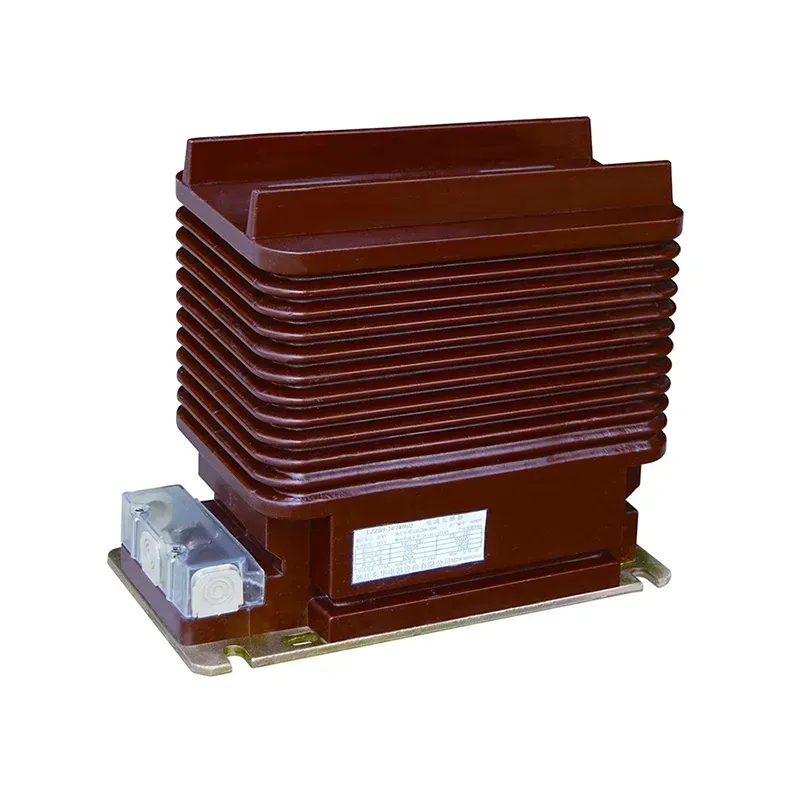
Current Transformer CT

Table of Contents


What Is a Current Transformer (CT)?

A Current Transformer (CT) is an instrument transformer designed to reduce high alternating current (AC) values to a lower, standardized level that can be safely measured or monitored by meters, protection relays, or control devices.

CTs are widely used in:

  • Power distribution systems
  • Industrial automation
  • Energy management systems
  • Electrical protection and fault detection

By using electromagnetic induction, a CT provides electrical isolation between high-voltage circuits and low-voltage measurement equipment, significantly improving system safety.


How Does a Current Transformer Work?

The operating principle of a current transformer is based on Faraday’s law of electromagnetic induction. When current flows through the primary conductor, it generates a magnetic field around the core. This magnetic flux induces a proportional current in the secondary winding.

  • The primary side usually consists of a single conductor or busbar
  • The secondary side has multiple turns of wire
  • The output current is proportional to the input current

For example, a CT rated at 1000A:5A converts 1000 amperes of primary current into a manageable 5 amperes for measurement instruments.


Types of Current Transformers

1. Window (Toroidal) Current Transformers

Window CTs feature a circular opening through which the primary conductor passes. They are compact, reliable, and commonly used in switchgear and distribution panels.

2. Split Core Current Transformers

Split core CTs can be installed without disconnecting the primary conductor, making them ideal for retrofitting existing systems and energy audits.

3. Bar-Type Current Transformers

Bar-type CTs use a built-in primary conductor and are designed for high-current applications with excellent mechanical strength.

4. Wound Primary Current Transformers

These CTs include multiple turns on the primary winding and are used for low-current, high-accuracy measurement applications.


Key Factors When Choosing a Current Transformer CT

Selecting the right CT requires balancing performance, safety, and cost. Below are the most important criteria to consider:

Rated Primary Current

Choose a CT with a primary current rating that matches or slightly exceeds your system’s maximum operating current.

Secondary Current Rating

  • 1A – preferred for long cable runs
  • 5A – common in industrial applications

Accuracy Class

Accuracy class determines how precisely the CT reproduces the primary current. This is especially critical for billing and protection systems.

Burden Capacity

Burden refers to the total load (in VA) connected to the CT secondary. Exceeding the rated burden reduces accuracy and may cause overheating.

Application Type

  • Measurement CTs
  • Protection CTs
  • Combined measurement and protection CTs

Manufacturers like XiFa provide customized CT solutions to match specific system requirements, ensuring optimal performance and long-term reliability.


CT Accuracy Classes Explained

Accuracy classes define the permissible error of a CT under specified conditions.

  • Class 0.1 / 0.2 / 0.5 – High-precision energy metering
  • Class 1.0 – General monitoring
  • 5P / 10P – Protection applications

Choosing the correct accuracy class ensures compliance with standards such as IEC and IEEE, while maintaining system efficiency.


Applications of Current Transformer CTs

  • Power generation and transmission
  • Industrial motor protection
  • Smart grid and energy management systems
  • Renewable energy installations
  • Substation automation

In modern power infrastructures, CTs play a vital role in enabling intelligent monitoring and predictive maintenance strategies.


Installation and Safety Considerations

Proper installation is essential to ensure safe and accurate CT operation.

  • Never leave the CT secondary open-circuited
  • Ensure correct polarity alignment
  • Use appropriate shorting terminals
  • Follow manufacturer installation guidelines

Incorrect installation can lead to dangerous overvoltages and inaccurate readings.


Current Transformer CT Types Comparison

CT Type Main Advantage Typical Application
Window CT Compact and economical Switchgear panels
Split Core CT Easy installation Energy retrofitting
Bar-Type CT High current capacity Substations
Wound CT High accuracy Low-current measurement

Frequently Asked Questions (FAQ)

What happens if a CT secondary is left open?

An open-circuited CT secondary can generate dangerously high voltages, posing a serious safety risk and potentially damaging equipment.

Can a current transformer measure DC current?

Traditional CTs are designed for AC current only. For DC measurement, Hall-effect sensors are required.

How long does a current transformer last?

With proper installation and operating conditions, a high-quality CT can last 20–30 years or more.

Is a higher accuracy class always better?

Not necessarily. Higher accuracy increases cost. The accuracy class should match the application’s actual requirements.


Conclusion

Choosing the right Current Transformer (CT) is a crucial step in designing safe, efficient, and reliable electrical systems. By understanding CT types, accuracy classes, and application requirements, engineers and system designers can significantly improve performance and reduce operational risks.

If you are looking for reliable and customized current transformer solutions, XiFa offers a wide range of CT products engineered for accuracy, durability, and compliance with international standards.

To learn more about selecting the ideal current transformer for your project or to request technical support, contact us today and let our experts help you power your system with confidence.

Related News
Leave me a message
X
We use cookies to offer you a better browsing experience, analyze site traffic and personalize content. By using this site, you agree to our use of cookies. Privacy Policy
Reject Accept