News

Why Is Choosing the Right Circuit Breaker So Important for Reliable Power Protection?

2026-03-20 0 Leave me a message

Article Summary

A Circuit Breaker is often treated as a basic component, yet it plays a critical role in protecting people, equipment, wiring, and business continuity. When the wrong breaker is selected, the result is rarely a small inconvenience. It can mean nuisance tripping, damaged machinery, unstable distribution systems, higher maintenance costs, or dangerous fault conditions that escalate faster than expected.

This article explains how a Circuit Breaker works in practical terms, what pain points buyers usually face, how to compare major breaker types, and what technical questions should be answered before ordering. It also outlines how Wenzhou Xifa Electrical Equipment Co., Ltd. supports buyers who need dependable solutions for low-voltage and medium-voltage applications without getting buried in vague specifications.

Article Outline

  • Understanding the real purpose of a Circuit Breaker
  • Explaining the link between breaker performance and system reliability
  • Comparing common breaker categories used in industrial and distribution projects
  • Identifying frequent buyer frustrations and hidden procurement risks
  • Providing a practical selection framework for engineers, contractors, and importers
  • Showing why technical support, testing, and manufacturing discipline matter

What Problems Does a Circuit Breaker Actually Solve?

Circuit Breaker

Many buyers first think about a Circuit Breaker only when something goes wrong. A line trips unexpectedly. A panel overheats. A motor start-up causes repeated shutdowns. A short circuit damages nearby equipment. In these moments, the breaker is no longer just another item on a parts list. It becomes the point where safety, uptime, and cost all collide.

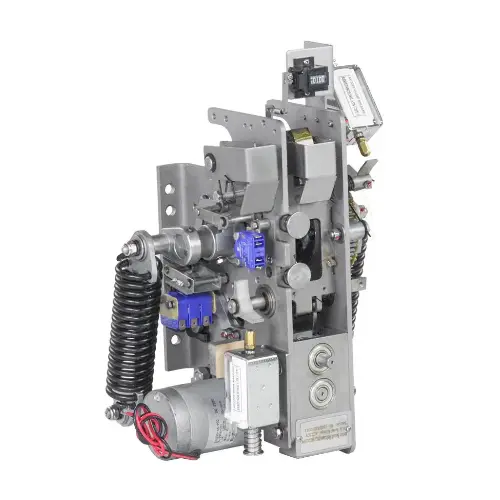
The core job of a Circuit Breaker is straightforward: detect abnormal electrical conditions and interrupt current before those conditions turn into equipment failure or fire risk. But in actual projects, that simple purpose expands into several business-critical functions. It protects transformers, motors, switchboards, feeders, cables, and operators. It also helps isolate faults so that one problem does not take down an entire system.

  • It limits damage during overloads and short circuits.
  • It reduces the chance of catastrophic equipment loss.
  • It helps keep the rest of the electrical system stable.
  • It shortens downtime by making fault isolation faster and safer.

When buyers underestimate this role, they often choose based only on price or current rating. That is where trouble begins. A breaker must match the application, operating environment, fault level, installation method, and control expectations. Otherwise, even a product that looks acceptable on paper may perform poorly in service.

How Does a Circuit Breaker Protect Equipment and Operations?

In practical operation, a Circuit Breaker acts as the decision point between normal load flow and hazardous fault current. Under healthy conditions, it carries current with minimal resistance. Under abnormal conditions, it trips and separates the circuit. That interruption prevents heat build-up, arc damage, insulation failure, and mechanical stress from spreading across the system.

For many facility owners, the most painful issue is not a dramatic failure but repeated instability. Production lines stop for unclear reasons. Sensitive devices are damaged by fault energy. Maintenance teams spend hours chasing nuisance trips without knowing whether the problem is the breaker setting, the breaker quality, or the load itself. A properly selected Circuit Breaker reduces this uncertainty by offering stable protection characteristics and predictable interruption performance.

This matters even more in industrial environments where every minute of downtime has a direct cost. The breaker is not simply protecting copper and insulation. It is protecting delivery schedules, maintenance budgets, and customer confidence.

Which Types of Circuit Breaker Are Common in Real Projects?

Buyers often face a crowded market full of product names, abbreviations, and overlapping claims. The best starting point is to understand the common categories and where each one is typically used. Different systems call for different breaker structures, interruption media, and operating mechanisms.

Comparison of Common Circuit Breaker Types

Type Typical Use Main Advantage Common Buyer Concern
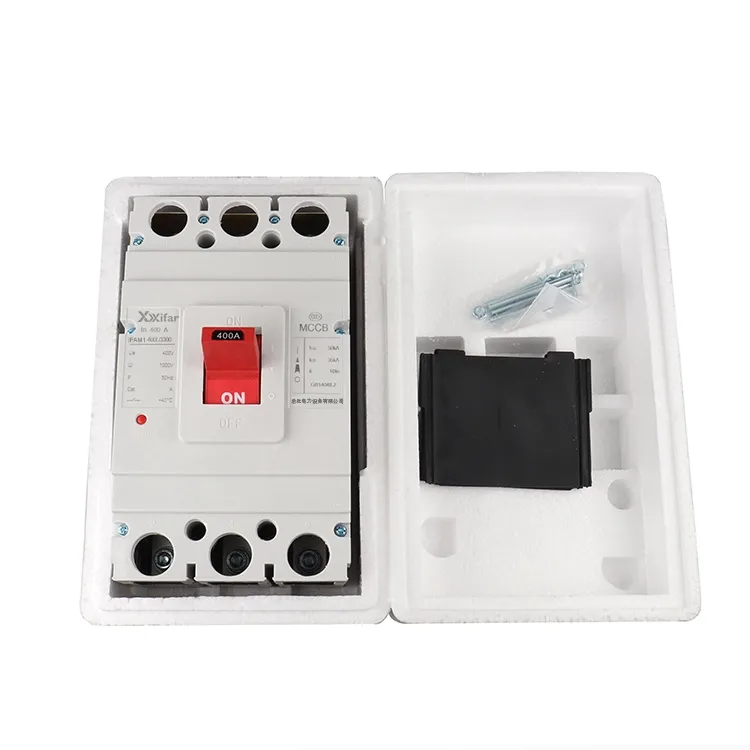
MCCB Low-voltage distribution, feeders, machinery protection Compact size and broad application range Trip setting mismatch or insufficient breaking capacity
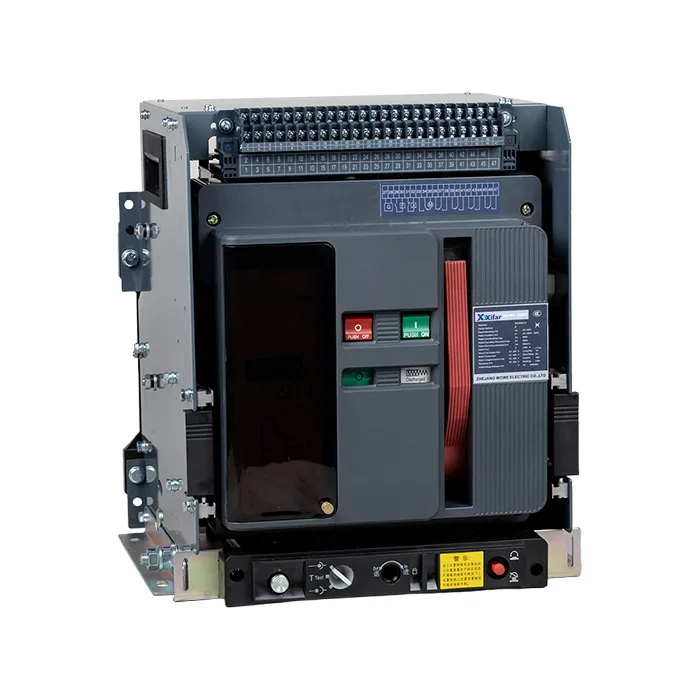
ACB Main incomers, large low-voltage distribution systems Higher current capacity and flexible protection control Installation space, coordination, and maintenance access
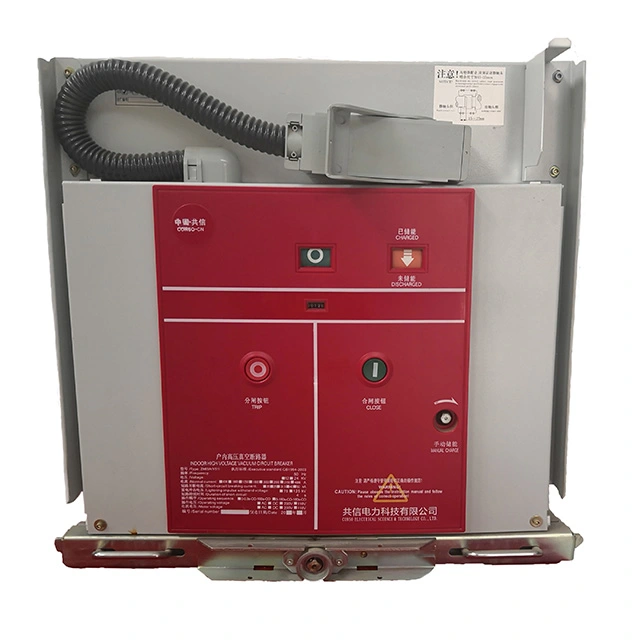
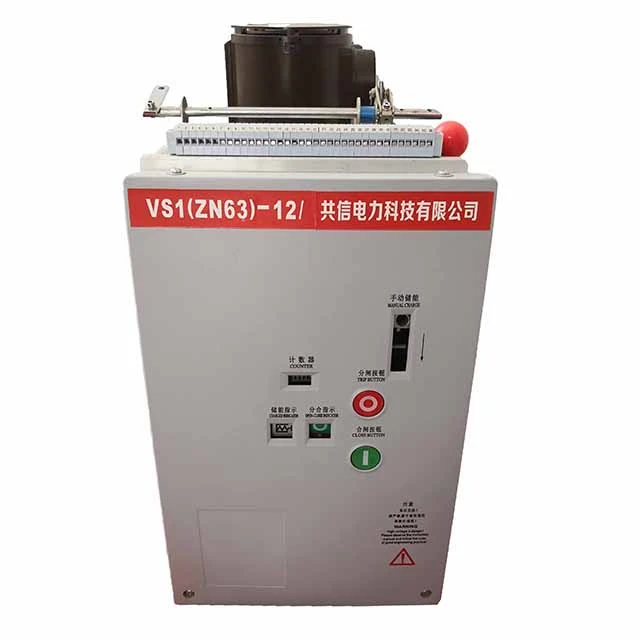
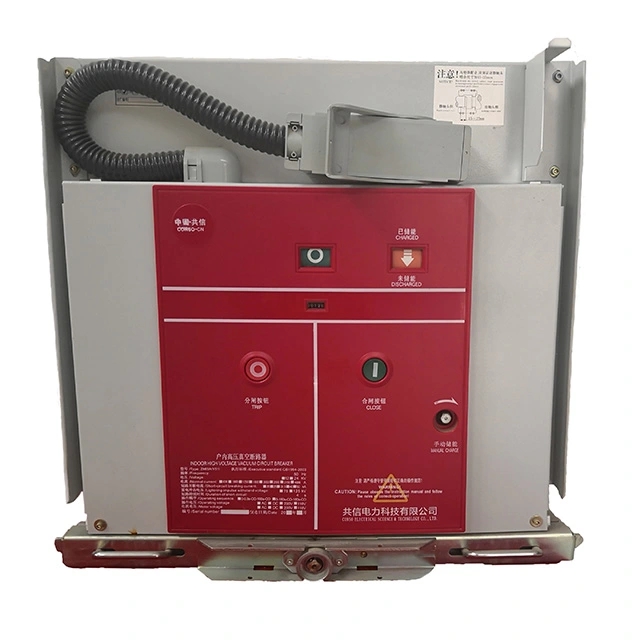
VCB Medium-voltage switchgear, substations, industrial power systems Reliable arc interruption and long service life Mechanical consistency and suitability for the switchgear design
Indoor Breaker Enclosed switchboards and protected rooms Stable operation in controlled environments Compatibility with panel structure and operating mechanism
Outdoor Breaker Utility networks and exposed installations Designed for weather resistance and field duty Environmental sealing and long-term durability

The right choice depends on more than voltage level. It also depends on whether the site needs fixed or withdrawable installation, frequent operation, remote control integration, protection relay coordination, or custom accessories. This is why the sourcing conversation should never stop at a product photo and an ampere label.

What Buyer Pain Points Cause the Most Trouble?

Customers looking for a Circuit Breaker usually do not struggle because the market has too few options. They struggle because too many options look similar while performing very differently in actual use. That creates several recurring pain points.

  • Unclear specifications: Some quotations look complete but leave out vital details such as breaking capacity, operating mechanism, protection accessories, or installation configuration.
  • Inconsistent product quality: A sample may perform well, but batch consistency becomes a problem after shipment.
  • Application mismatch: A breaker chosen for basic load current may not match the real fault level, duty cycle, or environment.
  • Delayed technical support: When wiring diagrams, dimensions, or accessory details arrive late, the entire project schedule suffers.
  • Price-only purchasing: The cheapest option can become the most expensive when replacement, downtime, and service calls are added up.

These are not theoretical issues. They are exactly the problems that make contractors nervous, frustrate panel builders, and create after-sales pressure for importers. A dependable Circuit Breaker supply strategy should reduce uncertainty before the order is placed, not after the equipment arrives on site.

How Should You Choose the Right Circuit Breaker?

A good buying decision starts with the application rather than the catalog headline. The right Circuit Breaker is the one that fits the operating conditions, fault characteristics, and maintenance expectations of the actual project.

Practical Selection Checklist

Selection Factor Why It Matters What to Confirm
Rated Voltage and Current Basic electrical suitability System voltage, normal load current, load growth margin
Breaking Capacity Determines safe interruption of fault current Prospective short-circuit level at installation point
Installation Type Affects panel integration and serviceability Fixed, plug-in, withdrawable, indoor, or outdoor design
Operation Frequency Influences mechanical durability requirements Occasional protection duty or frequent switching duty
Accessories and Control Supports monitoring and automation Shunt trip, undervoltage release, auxiliary contacts, remote operation
Standards and Testing Improves confidence in performance Routine test procedures, certificates, factory inspection discipline

Buyers who move through this checklist tend to make stronger long-term decisions. They reduce the risk of under-specifying the breaker, overpaying for features they do not need, or discovering too late that the product does not integrate cleanly into the intended panel or switchgear arrangement.

What Should You Ask a Supplier Before Buying?

A serious supplier should be able to discuss performance, configuration, and manufacturing process in a direct way. If the answers stay vague, that is usually a warning sign. Before purchasing a Circuit Breaker, buyers should ask questions that expose both technical readiness and production discipline.

  • What applications is this breaker designed for, and what limitations should be considered?
  • What is the available breaking capacity range for this model?
  • Can the product be customized with accessories or control options?
  • What factory tests are performed before shipment?
  • How does the supplier support dimensional drawings, wiring confirmation, and installation guidance?
  • What lead time and batch consistency controls are in place?

This is where Wenzhou Xifa Electrical Equipment Co., Ltd. becomes relevant to many overseas buyers. The company focuses on breaker-related power equipment and supports a range of solutions including vacuum circuit breaker, air circuit breaker, and molded case applications. For customers, that matters because the conversation becomes more than a simple transaction. It becomes a technical matching process aimed at making the product work properly in the field.

Why Does Product Consistency Matter as Much as Price?

In procurement, price is visible immediately, but inconsistency hides until installation or operation. That is why some low-cost purchases look successful at first and then turn into a chain of avoidable losses. A Circuit Breaker that trips unpredictably, fits poorly, or varies from batch to batch creates labor waste, commissioning delays, and after-sales stress that no one wants to own.

Product consistency affects several real-world outcomes. It shapes whether accessories align correctly, whether mechanical operation feels stable, whether protection behavior remains dependable, and whether a maintenance team can trust replacement units to match previous orders. For distributors and project contractors, consistency is part of reputation management. If the installed equipment fails too soon, the problem is no longer only the factory’s problem. It becomes the buyer’s problem too.

That is why many experienced purchasers pay close attention to process control, inspection routines, and supplier responsiveness. They know that a Circuit Breaker should be judged not only by brochure language but by whether the supplier can repeatedly deliver the same standard of performance.

What Makes a Better Long-Term Purchasing Decision?

Circuit Breaker

The best breaker purchase is not the one with the shortest quote or the lowest number on the invoice. It is the one that protects the system reliably, fits the installation correctly, arrives with the needed support documents, and reduces headaches after commissioning. In other words, a smart Circuit Breaker decision balances electrical performance, project practicality, and supplier reliability.

Buyers who think long term usually look for three things. First, they want a supplier that understands application details instead of pushing a one-size-fits-all model. Second, they want evidence of controlled manufacturing and routine inspection. Third, they want communication that stays clear before and after the order. These priorities help prevent the most expensive mistakes: selecting the wrong unit, delaying installation, or dealing with unstable field performance.

When these elements come together, the breaker stops being a purchase risk and becomes what it should have been from the beginning: a dependable layer of protection that supports the whole electrical system.

FAQ

1. What is the main purpose of a Circuit Breaker?

The main purpose of a Circuit Breaker is to interrupt current when abnormal conditions such as overload or short circuit occur. This helps protect wiring, equipment, and personnel while limiting fault damage.

2. How do I know which Circuit Breaker type I need?

You should start with the system voltage, rated current, fault level, installation method, and application type. Low-voltage distribution may require MCCB or ACB solutions, while medium-voltage systems often require VCB solutions.

3. Why does my Circuit Breaker keep tripping?

Frequent tripping may be caused by overload, short circuit, incorrect settings, poor coordination, or a breaker that does not match the real operating duty. The issue should be checked systematically rather than bypassed.

4. Is the cheapest Circuit Breaker a good buying choice?

Not always. A lower initial price can lead to higher long-term cost if the product is inconsistent, difficult to integrate, or unreliable in service. Buyers should compare technical suitability and support along with price.

5. Can a supplier help with customized Circuit Breaker configurations?

Yes. Many projects need special accessories, control options, mounting structures, or application-specific adjustments. A capable supplier should be able to discuss these details clearly before production.

Conclusion

A Circuit Breaker is not a small detail in an electrical system. It is one of the components that decides whether a fault remains manageable or turns into equipment damage, downtime, and avoidable cost. For that reason, selecting the right model should involve careful review of application needs, technical parameters, installation requirements, and supplier capability.

If you are comparing options for distribution systems, panel projects, switchgear integration, or industrial protection needs, Wenzhou Xifa Electrical Equipment Co., Ltd. can help you evaluate a more suitable solution based on your real operating conditions. If you are ready to reduce procurement risk and choose a Circuit Breaker with greater confidence, contact us today and let our team support your next project with practical product guidance and responsive service.

Related News
Leave me a message
X
We use cookies to offer you a better browsing experience, analyze site traffic and personalize content. By using this site, you agree to our use of cookies. Privacy Policy
Reject Accept