News

How Can the Right Instrument Transformer Improve Metering Accuracy and System Safety?

2026-03-25 0 Leave me a message

Article Summary

When buyers look for an Instrument Transformer, they are usually not searching for a generic electrical component. They are trying to solve specific problems: unreliable metering, insulation concerns, limited installation space, inconsistent product quality, and uncertainty about long-term performance in demanding environments. In this article, I explain what really matters when selecting an Instrument Transformer, how current transformers and potential transformers support safer and more stable power systems, and why practical details such as accuracy class, insulation method, environmental suitability, and supplier consistency deserve close attention. I also show how Wenzhou Xifa Electrical Equipment Co., Ltd. approaches these buyer concerns with a manufacturing mindset focused on application fit rather than one-size-fits-all selling.

Outline

  • Understanding the real role of an Instrument Transformer in measurement and protection
  • Identifying common sourcing and application pain points
  • Reviewing the technical and commercial factors that influence buying decisions
  • Comparing CT and PT functions in practical projects
  • Exploring common installation scenarios in substations, switchgear, and panels
  • Evaluating supplier reliability, customization ability, and batch consistency
  • Answering common buyer questions before inquiry and order confirmation

What Makes an Instrument Transformer Important in Real Projects

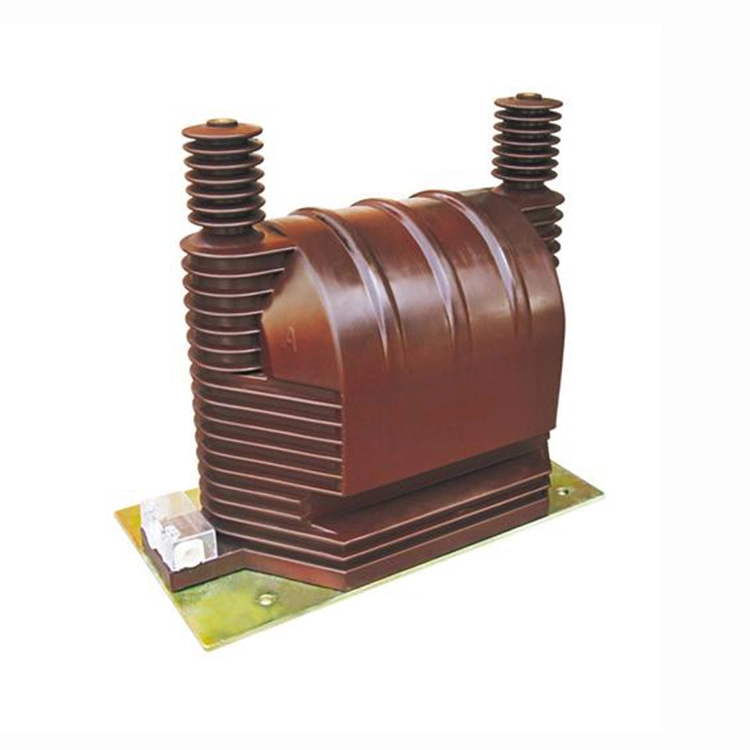
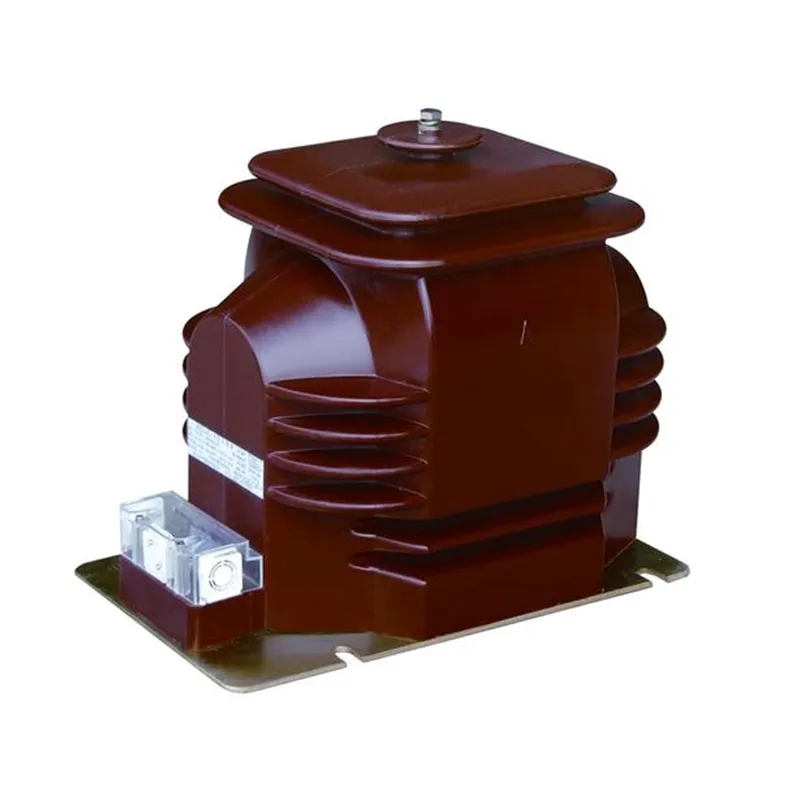
Instrument Transformer

I find that many buyers first approach an Instrument Transformer as a specification item, but in practice it is a decision that affects safety, monitoring quality, protection performance, and maintenance confidence. In a power system, this product does more than reduce current or voltage to a measurable level. It creates the bridge between the live electrical network and the devices that operators depend on for visibility and control.

If that bridge is unstable, everything downstream becomes less trustworthy. Metering can drift. Relay protection can react too late or too early. Monitoring systems can produce values that look acceptable on paper but become misleading in actual operation. In compact substations, switchgear assemblies, and distribution panels, that kind of mismatch becomes expensive very quickly because the problem rarely appears as a single dramatic failure. More often, it shows up as repeated troubleshooting, unexplained deviations, or growing concern about the reliability of the whole installation.

This is why an Instrument Transformer should be evaluated not just by its nameplate data, but by how well it supports the wider electrical system over time. Buyers want stable measurement, dependable insulation, manageable installation, and confidence that every unit in the batch performs the same way. Those are practical expectations, not luxury demands.


Why Do Buyers Still Struggle to Choose the Right Model

Even experienced sourcing teams run into problems because many offers look similar at first glance. A quote may list voltage, ratio, and dimensions, but leave critical application details unclear. That is where buyer frustration usually begins.

  • Accuracy concerns — The unit may meet a nominal class, but performance under actual load conditions may not match project expectations.
  • Insulation doubts — Some installations face humidity, dust, temperature changes, or pollution that demand stronger structural protection.
  • Space limitations — Compact switchgear and panel environments often require tighter dimensions and smarter layouts.
  • Inconsistent quality between batches — Sample approval may go well, but repeat orders can vary if process control is weak.
  • Limited customization — Buyers may need different mounting forms, ratios, terminal arrangements, or project-specific parameters.
  • Communication gaps — A supplier may provide a catalog but not enough engineering support to confirm the right selection.

I have seen this happen especially often when buyers are under pressure to shorten procurement cycles. The faster the order moves, the easier it is to focus on price and overlook operating conditions. But in the case of an Instrument Transformer, oversimplifying the decision can create higher total cost later, especially when replacement, troubleshooting, or system recalibration enters the picture.


How Should I Evaluate an Instrument Transformer Before Buying

A strong selection process should combine technical review and sourcing discipline. I would not rely on a single headline claim like “high quality” or “competitive price.” Instead, I would look at the complete fit between the product and the project.

Evaluation Factor Why It Matters What Buyers Should Confirm
Accuracy Class Directly affects metering reliability and protective signal quality Whether the stated class matches metering or protection needs under actual operating conditions
Insulation Structure Influences durability, safety, and environmental resistance Whether the design suits humid, dusty, high-voltage, or enclosed switchgear environments
Thermal and Mechanical Stability Supports long-term performance under load and fault stress Material quality, casting quality, winding integrity, and operating reliability
Installation Compatibility Reduces site modification and assembly risk Dimensions, mounting style, terminal layout, and integration requirements
Customization Ability Improves fit for special projects and regional requirements Support for ratio adjustment, enclosure adaptation, and project-driven parameters
Batch Consistency Protects repeat order quality and project standardization Production control, inspection practice, and supplier process discipline
Supplier Communication Prevents misunderstandings before production begins Whether technical questions are answered clearly and with application awareness

This is exactly where supplier capability becomes visible. A useful supplier does not simply ask for a rating and send a quotation. A useful supplier asks where the unit will be installed, what kind of switchgear or panel it will work with, what protection or metering function matters most, and what risks the buyer is trying to eliminate.

That practical mindset is important because no buyer wants to discover after delivery that the selected Instrument Transformer is technically compliant but operationally inconvenient.


What Is the Difference Between CT and PT in Daily Use

Buyers often group them together under the broad category of Instrument Transformer, which makes sense, but the difference between CT and PT still matters when planning a project. A current transformer focuses on stepping down current to a manageable secondary value for metering or protective devices. A potential transformer, also called a voltage transformer in many contexts, reduces voltage to a standard value that measuring and relay systems can safely handle.

In daily use, the distinction affects not only electrical function but also installation logic, testing focus, and application matching. A CT selection may emphasize ratio, burden, and protective behavior under fault conditions, while a PT selection may place more attention on voltage accuracy, insulation integrity, and long-term stability under the required system level.

Type Main Function Typical Buyer Concern
Current Transformer CT Converts high current into a lower standardized secondary current Accurate metering, relay response, thermal behavior, and safe integration in switchgear
Potential Transformer PT Converts high voltage into a lower standardized secondary voltage Voltage measurement stability, insulation reliability, and long service life

Understanding this difference helps prevent a common procurement issue: buyers asking for a broad category when the project actually requires a more specific conversation around use case, environment, and protection objective.


Where Does an Instrument Transformer Deliver the Most Value

The value of an Instrument Transformer becomes most visible in applications where measurement accuracy and operating safety must coexist in a limited or demanding installation environment. That includes compact substations, metal-enclosed switchgear, utility distribution systems, industrial power infrastructure, renewable energy projects, and urban electrical networks that cannot tolerate instability.

In these environments, buyers are not looking for an abstract advantage. They want clear outcomes:

  • More dependable readings for metering and supervision
  • Safer interface between high-voltage circuits and instruments
  • Better support for relay protection and system monitoring
  • Reduced maintenance uncertainty in harsh or enclosed installations
  • More confidence in long-term operation under variable grid conditions

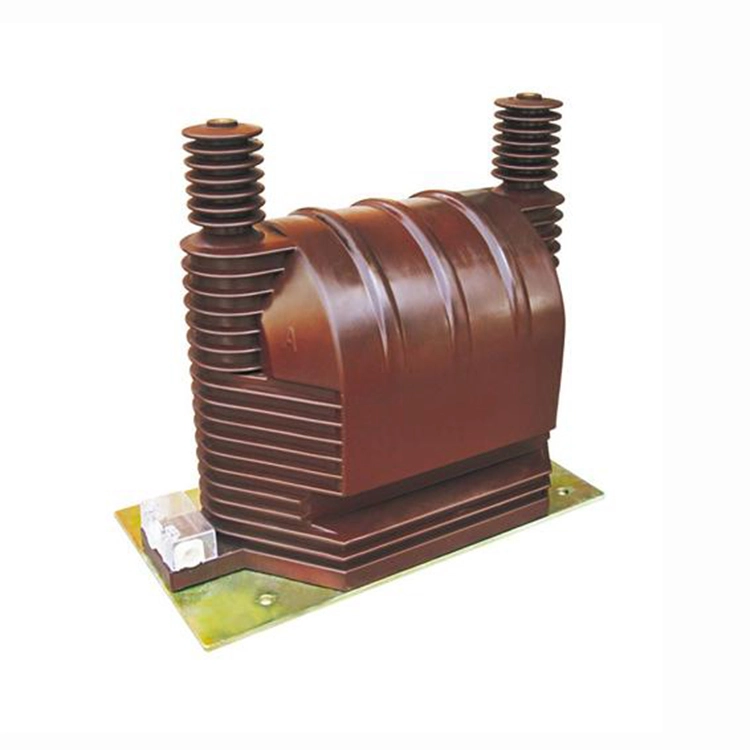
This is also why resin-cast and carefully insulated designs attract attention in medium-voltage applications. Buyers dealing with dust, humidity, or compact mounting constraints usually prefer products that support structural stability and resist environmental influence more effectively. When the environment is challenging, material choice and manufacturing process stop being background details and become purchase priorities.


Why Does Supplier Capability Matter as Much as Product Specs

Instrument Transformer

I think buyers today are more careful than before, and for good reason. They know that a polished catalog does not automatically mean dependable execution. A reliable supplier should demonstrate not only product range, but also production discipline, customization support, and familiarity with application-driven requirements.

Wenzhou Xifa Electrical Equipment Co., Ltd. stands out in this conversation because the value is not limited to offering an Instrument Transformer category page. What matters more is the manufacturing logic behind it: attention to metering and protection scenarios, fit for switchgear and substation use, and a practical focus on insulation, accuracy, service life, and flexible production support.

For buyers, that matters in several ways. First, it reduces the risk of choosing a product that looks correct but performs poorly in the field. Second, it makes technical communication more efficient because discussions are grounded in real installation needs. Third, it helps maintain consistency when a project expands from sample validation to volume purchasing.

In other words, the right supplier helps turn an Instrument Transformer from a sourcing uncertainty into a stable project component.


FAQ

Can I choose an Instrument Transformer mainly by ratio and price?

That is rarely enough. Ratio and price are important, but they do not tell you whether the unit matches your insulation demands, space limits, accuracy expectations, and real operating environment.

Is batch consistency really a major issue for repeat orders?

Yes. In power applications, even small inconsistencies can affect installation efficiency, measurement confidence, and system standardization. This is why process control matters.

Do compact installations need special attention when selecting an Instrument Transformer?

Absolutely. Compact switchgear and panel environments can create mounting, clearance, and insulation challenges. A model that fits electrically may still be inconvenient mechanically.

Should I discuss application details with the supplier before ordering?

Yes. A serious supplier should welcome information about voltage level, installation environment, metering or protection purpose, and customization needs. That discussion often prevents the most expensive mistakes.

What gives buyers more confidence in long-term performance?

Stable accuracy, strong insulation design, suitable materials, controlled manufacturing, and a supplier that understands the final application all contribute to long service confidence.


Why Is Now a Good Time to Contact Us

If you are comparing options for your next substation, switchgear, panel, or utility project, this is the right moment to look beyond basic specifications and focus on long-term performance. The right Instrument Transformer can help you reduce sourcing risk, improve measurement confidence, and support safer system operation from the start.

At Wenzhou Xifa Electrical Equipment Co., Ltd., we understand that buyers need more than a standard quotation. They need clear communication, dependable manufacturing, and solutions that match real application conditions. Whether you need current transformers, potential transformers, or a customized Instrument Transformer configuration for a specific project, we are ready to support your evaluation and purchasing process with practical advice and responsive service.

Ready to reduce uncertainty in your next electrical project? Contact us today to discuss your specifications, application environment, and quantity requirements. We will help you find an Instrument Transformer solution that fits your system, your installation conditions, and your long-term reliability goals.

Related News
Leave me a message
X
We use cookies to offer you a better browsing experience, analyze site traffic and personalize content. By using this site, you agree to our use of cookies. Privacy Policy
Reject Accept