News

How Does a Vacuum Circuit Breaker VCB Improve Medium-Voltage Protection?

2026-04-15 0 Leave me a message

Article Summary
Choosing the right switching and protection device for a medium-voltage system is never just a technical decision. It affects uptime, maintenance cost, equipment life, and operational safety. In this article, I explain how a Vacuum Circuit Breaker VCB works, where it fits best, what problems it helps solve, and what buyers should compare before making a purchase. I also break down common concerns such as switching reliability, installation environment, lifecycle cost, coordination with switchgear, and maintenance planning. If you are selecting a breaker for substations, industrial plants, commercial distribution, renewable energy projects, or utility networks, this guide is meant to give you a practical and readable framework.


Outline

  1. Definition and working principle of a vacuum breaker
  2. Core advantages in medium-voltage applications
  3. Common buyer pain points and how this device addresses them
  4. Key technical specifications and selection logic
  5. Application scenarios in industrial and utility systems
  6. Lifecycle cost and maintenance considerations
  7. Questions to ask before choosing a supplier
  8. Practical FAQ for engineers, buyers, and project managers

What makes a Vacuum Circuit Breaker VCB different from other breakers?

Vacuum Circuit Breaker VCB

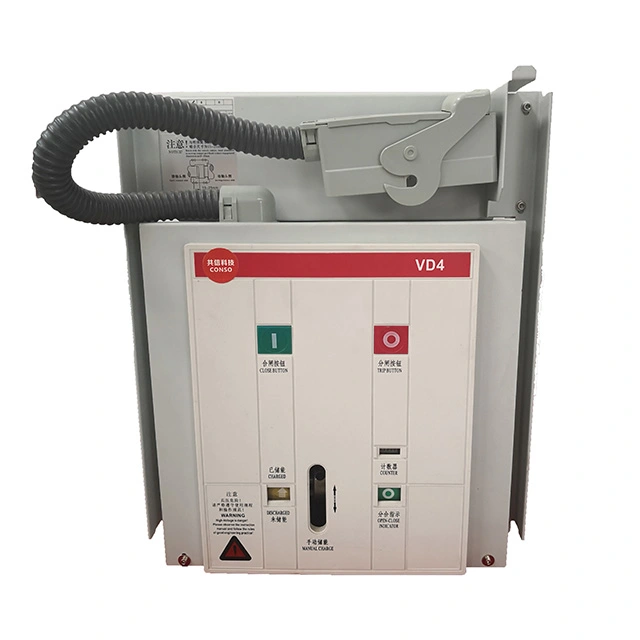
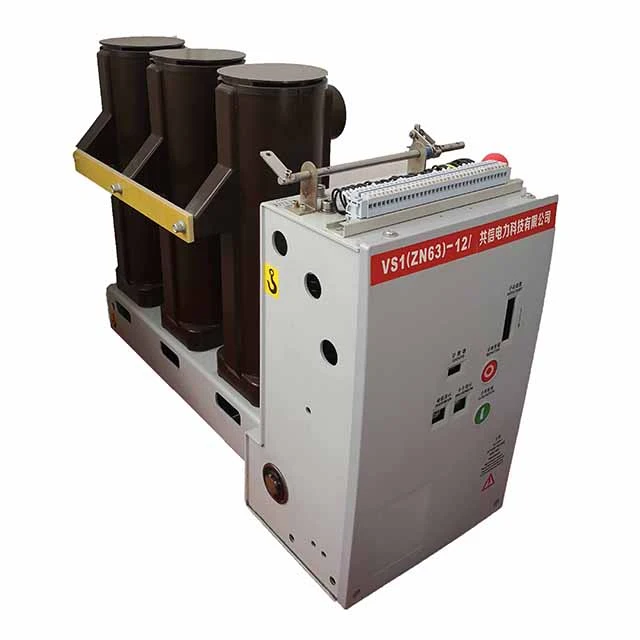
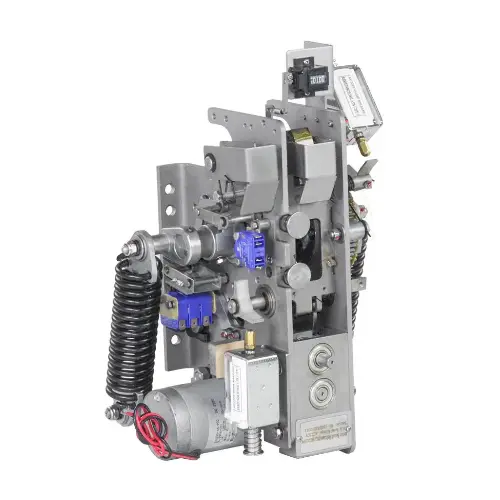
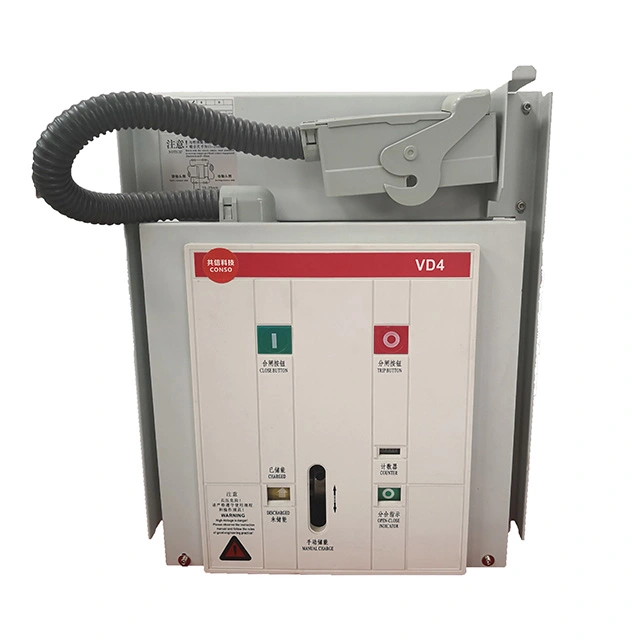
A Vacuum Circuit Breaker VCB is a medium-voltage switching device that interrupts current by separating contacts inside a vacuum interrupter. That vacuum environment matters because it allows the arc generated during contact separation to extinguish quickly and cleanly. In practical terms, this means the breaker is designed to switch and protect circuits with strong emphasis on reliability, compactness, and long service life.

When buyers compare breaker technologies, the confusion often starts with application mismatch. Some products are intended for low-voltage distribution, while others are built for medium-voltage networks. That difference affects insulation design, fault-clearing behavior, coordination with protection relays, and installation method. A Vacuum Circuit Breaker VCB is usually selected where operators need dependable interruption in switchgear, substations, industrial distribution systems, and project-based power infrastructure.

This is also why companies such as Wenzhou Xifa Electrical Equipment Co., Ltd. focus on VCB solutions for medium-voltage environments rather than treating them as interchangeable with lower-voltage breaker categories. Buyers are rarely looking for “just a breaker.” They are looking for a protection device that matches the actual operating class of their system.


Why do so many medium-voltage users prefer vacuum interruption?

Most decision-makers care less about technical theory and more about whether the equipment performs well in real service. Vacuum interruption is popular because it aligns with several practical goals at once: stable fault isolation, lower maintenance demand, cleaner switching behavior, and efficient use of installation space.

  • Fast arc extinction helps improve interruption performance during switching events.
  • Compact structure makes integration easier in indoor switchgear and many modular power systems.
  • Low wear characteristics support a longer mechanical and electrical service life.
  • Reduced routine service burden helps maintenance teams simplify inspection schedules.
  • Good fit for frequent operation is useful in networks where switching demand is not occasional.

For buyers managing downtime-sensitive operations, those advantages are not abstract. They translate into fewer interruptions, fewer emergency interventions, and better confidence in system continuity.


Which problems can a Vacuum Circuit Breaker VCB help buyers solve?

In many projects, the real challenge is not finding a product category. It is avoiding costly mistakes during specification and procurement. A properly selected Vacuum Circuit Breaker VCB can help solve several recurring buyer pain points:

Buyer Concern How a VCB Helps
Unexpected shutdown risk Supports dependable fault interruption and system protection coordination
High maintenance burden Typically requires less frequent service than buyers expect from more maintenance-heavy alternatives
Space limitations in switchgear rooms Compact design supports integration into indoor distribution arrangements
Need for customization Can be configured to match project-specific current, protection, mounting, and panel requirements
Concerns about long-term value Lifecycle economics often become more attractive when reliability and maintenance are considered together

A lot of buyers underestimate how expensive a poor match can become after installation. The purchase price is visible. Downtime, retrofit work, coordination problems, and repeated service visits are not always visible on day one. That is exactly why the right Vacuum Circuit Breaker VCB should be evaluated as an operating asset, not simply as a line item.


How should I compare specifications before buying?

This is where many purchasing decisions either become precise or go off track. Instead of focusing on one number alone, I recommend reviewing the specification set as a whole.

  • Rated voltage to match the actual network level
  • Rated current for normal operating load
  • Short-circuit breaking capacity for fault performance
  • Mechanical endurance if the breaker will operate frequently
  • Indoor or outdoor type depending on installation conditions
  • Stationary or withdrawable structure based on switchgear design
  • Protection and accessory compatibility including relay and control requirements

Buyers should also confirm whether the supplier can support application-specific adjustments. In many real projects, standard catalog models are only the starting point. Once local grid requirements, panel layout, relay coordination, and operating habits are considered, the final configuration may need refinement.


What installation environments benefit most from this solution?

A Vacuum Circuit Breaker VCB is especially attractive when operators need medium-voltage protection in sectors where stable operation matters as much as the initial purchase decision. Typical environments include:

  • Utility distribution systems
  • Industrial manufacturing plants
  • Commercial power distribution rooms
  • Substations and packaged switchgear systems
  • Renewable energy projects such as solar and wind installations
  • Infrastructure and urban development projects

These environments often demand a balance between operational reliability and manageable maintenance schedules. They also require products that can be coordinated with broader distribution architecture rather than installed in isolation.


How can I reduce total operating cost over the product life?

The easiest way to lose money on power equipment is to focus only on the invoice price. The smarter way is to ask what the breaker will cost over years of operation. I usually look at lifecycle cost through four lenses:

  1. Installation fit so there is no expensive rework during commissioning
  2. Maintenance planning so service intervals remain practical
  3. Reliability performance so unplanned outages do not erase apparent savings
  4. Supplier support so technical communication stays efficient after delivery

When a breaker is properly matched to the application, operating teams spend less time compensating for design mismatch. That is often where the real value of a Vacuum Circuit Breaker VCB becomes visible.


What should I ask a supplier before placing an order?

Before committing to a supplier, I would not stop at price and lead time. I would ask:

  • Can you recommend the correct configuration based on my actual system voltage and current?
  • Do you support indoor and outdoor versions if my project type changes?
  • Can the breaker be matched to my existing switchgear arrangement?
  • What factory testing is completed before shipment?
  • Can you provide customization for relays, accessories, or branding?
  • How quickly can your technical team respond if I need post-sale support?

Those questions reveal much more than a brochure ever will. They show whether the supplier understands application realities or is only selling a product code.


What do buyers usually ask about Vacuum Circuit Breaker VCB products?

FAQ 1: Is a Vacuum Circuit Breaker VCB suitable for every electrical system?
No. It is primarily intended for medium-voltage applications, so it should be selected according to the actual network class and system design.

FAQ 2: What is the main benefit of vacuum interruption?
The main benefit is efficient arc extinction in a compact interrupter structure, which supports reliable switching and practical long-term service performance.

FAQ 3: Can I use this type of breaker in renewable energy projects?
Yes, medium-voltage renewable energy systems often require dependable switching and protection, which is one reason this product category is widely considered for such projects.

FAQ 4: Should I care more about rated current or short-circuit capacity?
You need both. Rated current affects normal operation, while short-circuit breaking capacity determines whether the breaker can safely clear a fault.

FAQ 5: Is customization really necessary?
In many projects, yes. Installation method, relay coordination, and panel compatibility frequently require more than a one-size-fits-all approach.

FAQ 6: Why is supplier communication so important?
Because a breaker is part of a protection system, not a standalone commodity. Good technical support can prevent costly specification errors before delivery.


What is the final takeaway when choosing a Vacuum Circuit Breaker VCB?

A Vacuum Circuit Breaker VCB is not simply a protection device with a technical label. It is a practical answer to some of the biggest concerns in medium-voltage power distribution: safe interruption, operational continuity, maintenance efficiency, and long-term system value. The right choice depends on matching the breaker to the real application rather than selecting by price alone.

If you are reviewing options for switchgear, substations, industrial distribution systems, or energy projects, it makes sense to work with a supplier that understands specification detail, customization logic, and performance expectations. If you want to discuss your application, compare configurations, or request a product solution tailored to your project, contact us to explore how the right VCB can support safer and more stable power distribution.

Back to top

Related News
Leave me a message
X
We use cookies to offer you a better browsing experience, analyze site traffic and personalize content. By using this site, you agree to our use of cookies. Privacy Policy
Reject Accept