News

How Can the Right Surge Arrester Protect Your Power System Before Damage Starts?

2026-04-10 0 Leave me a message

In power distribution, failure rarely begins with a dramatic explosion. More often, it starts with one invisible overvoltage event that weakens insulation, shortens service life, and leaves equipment vulnerable to the next strike. That is exactly why a properly selected Surge Arrester matters. At Wenzhou Xifa Electrical Equipment Co., Ltd., we understand that buyers are not simply choosing a component from a catalog. They are trying to prevent outages, avoid premature replacement costs, and protect the stability of transformers, switchgear, panels, and lines in real operating conditions.

Article Summary

This article explains what a Surge Arrester does, why overvoltage protection is essential, and how buyers can select the right model for different applications. I will walk through common pain points such as unclear specifications, mismatched voltage ratings, harsh environments, and concerns about long-term reliability. I will also compare key selection factors in a practical table, discuss installation mistakes that reduce protection value, and answer frequently asked questions so readers can make better purchasing decisions with confidence.

What Will This Article Cover?

  • I explain the role of a Surge Arrester in protecting electrical equipment from transient overvoltage.
  • I break down the most common selection mistakes that lead to poor protection or unnecessary cost.
  • I show how voltage level, installation environment, housing material, and system application influence purchasing decisions.
  • I provide a practical comparison table to help engineers, importers, and project buyers evaluate options faster.
  • I close with FAQ answers and a direct call to action for inquiry support.

Why Does a Surge Arrester Matter More Than Many Buyers Expect?

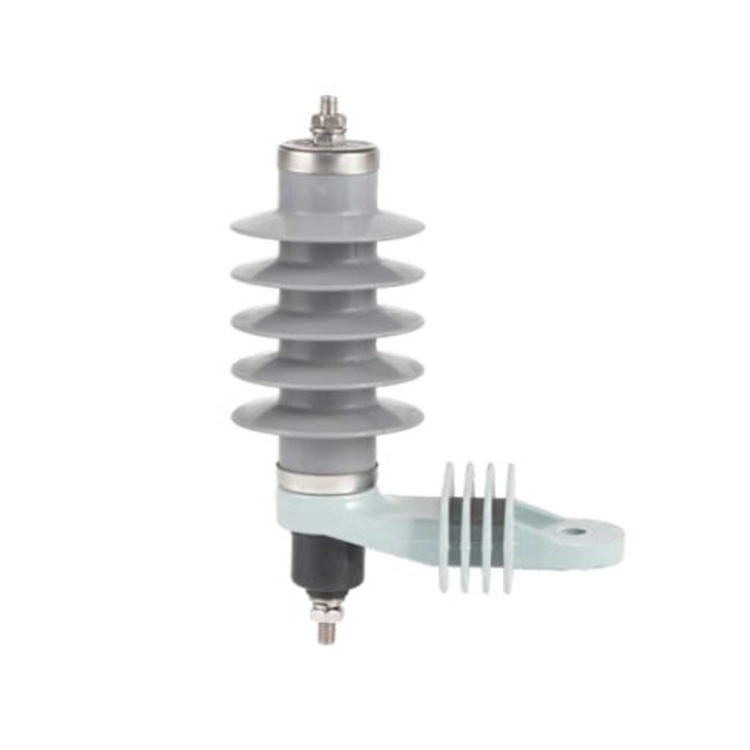
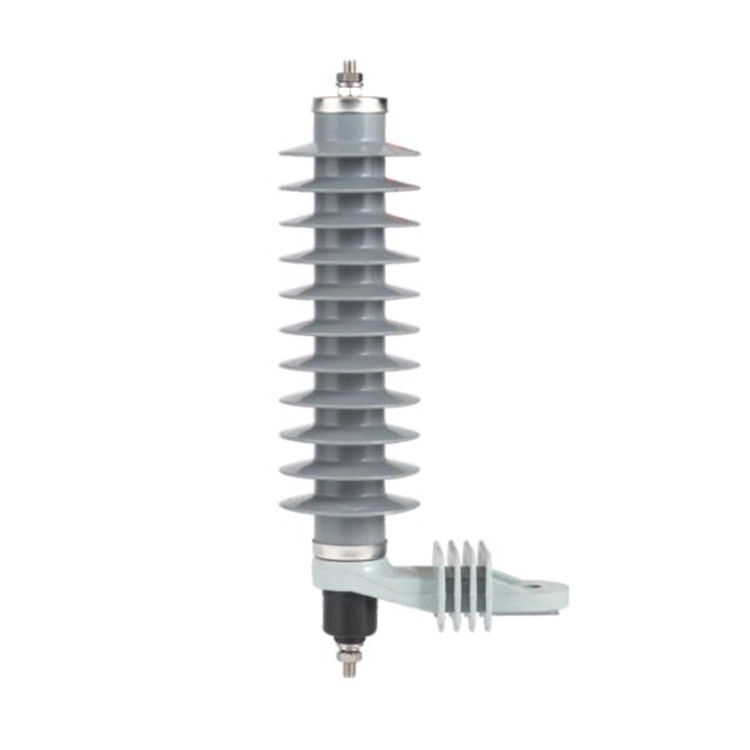
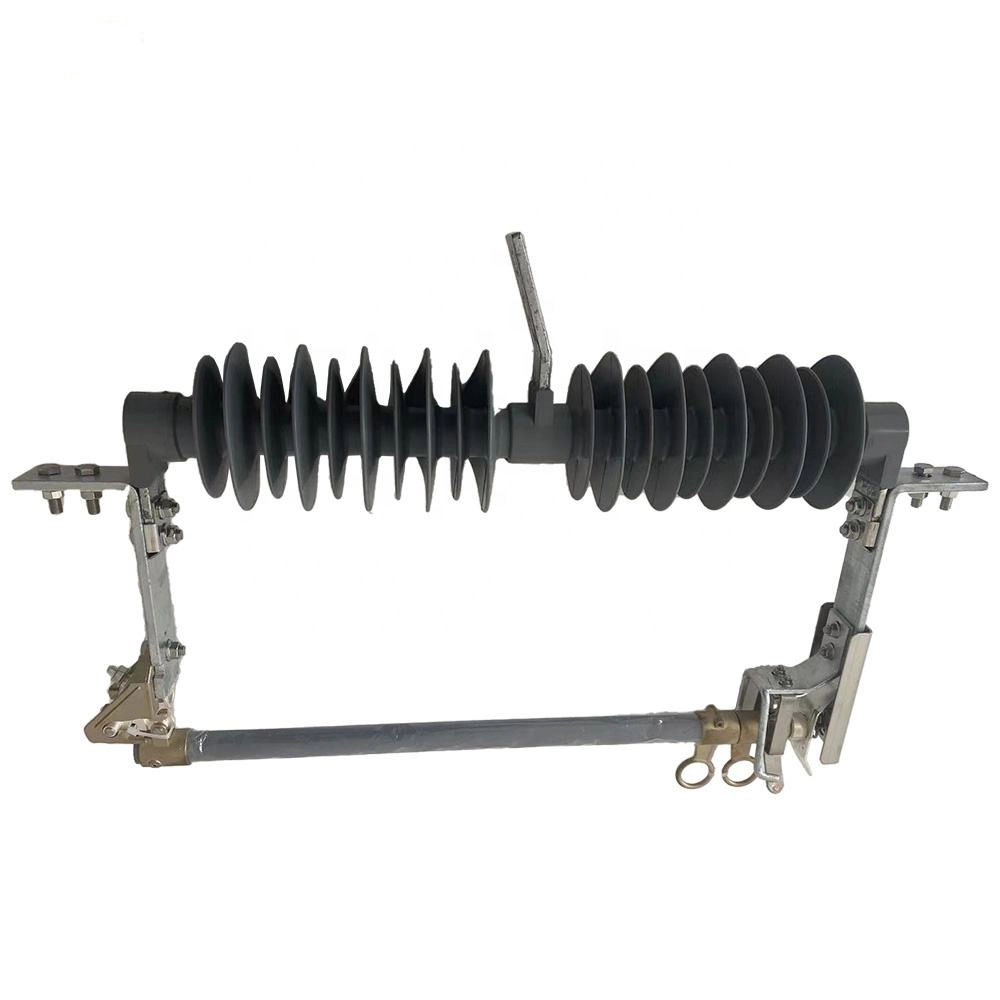
Surge Arrester

Many buyers focus first on transformers, circuit breakers, switchgear, or cable accessories because those are the obvious headline products in a power system. I understand that instinct. But in real service conditions, a single surge event can damage expensive equipment in seconds. Lightning, switching operations, and transient overvoltage do not wait for maintenance schedules. Without the right Surge Arrester, the weakest point in the system is often exposed long before anyone notices.

From a buyer’s perspective, the real issue is not whether surge events exist. They do. The real question is how much risk you are carrying each day if your protective device is undersized, poorly matched, or sourced without clear technical support. When the wrong model is installed, the result may include insulation aging, transformer failure, nuisance trips, reduced service life, and costly downtime that spreads far beyond one component.

That is why I never see a Surge Arrester as a minor accessory. I see it as a cost-control decision, a reliability decision, and in many cases a project reputation decision. If your customer experiences repeated field failures, they will not remember the low purchase price. They will remember the interruption.

What Does a Surge Arrester Actually Do in Daily Operation?

Under normal system voltage, a Surge Arrester remains in a stable, non-disruptive state. It does not interfere with standard power flow. When transient voltage rises above the acceptable level, however, the arrester reacts quickly and diverts surge energy away from sensitive equipment. Once the abnormal condition passes, it returns to its normal state and stands ready for the next event.

In plain language, I would put it like this: the arrester acts as a controlled escape route for dangerous overvoltage. Instead of allowing that energy to punch through insulation or attack vulnerable system components, it channels the stress away before permanent damage develops.

This simple working principle becomes especially important in:

  • distribution transformers exposed to outdoor line conditions,
  • substations where switching surges are frequent,
  • industrial facilities with sensitive electrical equipment,
  • renewable energy projects facing variable operating environments,
  • areas with humidity, pollution, coastal salt exposure, or unstable weather.

Which Buyer Problems Usually Lead to Wrong Product Choices?

I have noticed that buyers rarely choose the wrong product because they do not care. More often, they choose the wrong one because the market gives them too much vague language and not enough practical guidance. That confusion usually appears in a few predictable ways.

  • Voltage confusion — Buyers may focus on nominal voltage but overlook continuous operating voltage and real system conditions.
  • Application mismatch — A model suitable for one installation environment may not be ideal for another.
  • Material uncertainty — Some projects require silicone rubber composite housings, while others may still prefer porcelain depending on operating conditions and buyer preference.
  • Cost-first purchasing — A low price looks attractive until field replacement, outage loss, and maintenance labor are added back into the true cost.
  • Weak supplier support — If technical communication is slow or incomplete, small specification mistakes can become expensive after installation.

These are not minor issues. They are exactly the kind of hidden friction that delays procurement, creates uncertainty during technical review, and increases the chance of returns or complaints. A good supplier should reduce this friction, not add to it.

How Should I Choose the Right Surge Arrester for Different Systems?

When I evaluate a Surge Arrester, I do not start with appearance or catalog wording. I start with the operating scenario. A practical selection process should answer several core questions.

  • What is the system voltage level?
  • Is the installation indoor, outdoor, pole-mounted, or substation-based?
  • What environmental stresses will the arrester face?
  • Is the protected equipment a transformer, switchgear unit, electrical panel, or line system?
  • What service life and maintenance expectations does the project require?

Once I answer those questions, selection becomes much more precise. For example, a project in a coastal or high-humidity region may require stronger attention to housing performance and contamination resistance. A renewable energy application may need consistent performance under changing field conditions. A substation project may prioritize dependable residual voltage control and long-term stability.

This is where supplier experience matters. Wenzhou Xifa Electrical Equipment Co., Ltd. serves applications tied to power distribution and broader energy infrastructure, which gives buyers a more grounded discussion than generic sales language. Instead of pushing a one-size-fits-all answer, the better approach is to align product design with the actual operating scenario.

What Should Buyers Compare Before Ordering?

To simplify evaluation, I like to compare the most practical factors side by side. That way, a buyer can quickly see what deserves attention before placing an order.

Comparison Factor Why It Matters What I Recommend Buyers Check
Voltage Rating Incorrect rating can reduce protection effectiveness or create operating risk. Match the arrester to actual system conditions, not just the headline voltage value.
Housing Material Housing affects environmental adaptability, contamination resistance, and service performance. Ask whether porcelain or polymer housing is better for your project environment.
Application Scenario Transformer protection and switchgear protection may not involve identical selection priorities. Describe the protected equipment clearly before confirming the model.
Response and Stability Reliable surge handling helps reduce damage risk during repeated transient events. Request technical details that explain long-term performance, not only sales claims.
Environmental Suitability Humidity, salt mist, pollution, and outdoor exposure can change product demands. Provide site conditions early so the supplier can recommend the right configuration.
Quality Control Inspection consistency helps reduce failure risk after delivery and installation. Ask about factory testing, process control, and inspection practice.
Technical Support Fast answers reduce procurement delay and help avoid specification mistakes. Choose a supplier that can respond clearly before and after the order.

If I had to give one piece of advice here, it would be this: compare total suitability, not just unit price. The cheapest Surge Arrester is not the most economical option if it introduces uncertainty into the project.

Which Installation and Maintenance Details Are Easy to Overlook?

Even a good product can underperform when installation details are ignored. I have seen buyers spend a great deal of time reviewing specifications, only to lose protection value because field execution was treated as an afterthought.

  • Improper grounding can weaken the discharge path and reduce overall protective effect.
  • Excessive lead length can influence protection performance in practical installations.
  • Wrong mounting position may expose equipment before surge energy is effectively diverted.
  • Environmental contamination can gradually affect long-term stability if not considered in advance.
  • Lack of periodic inspection can delay detection of aging or physical damage.

I always suggest that buyers think beyond the purchase stage. Protection quality is a chain, and the chain is only as strong as its weakest step: selection, communication, installation, inspection, and follow-up support all matter. If one link fails, the arrester may not deliver the value expected from it.

What Makes a Supplier Worth Trusting for Surge Protection Projects?

Surge Arrester

A trustworthy supplier does more than list product names. I look for three things: clear technical communication, product consistency, and a realistic understanding of application conditions. Buyers should be able to explain the project and receive answers that feel specific, not copied from a general brochure.

In this respect, Wenzhou Xifa Electrical Equipment Co., Ltd. presents the kind of product focus many project buyers want when sourcing a Surge Arrester. What matters most is not simply that a supplier sells arresters, but that they can discuss protection for transformers, switchgear, panels, and related distribution applications in a practical, project-oriented way.

If you are an importer, distributor, contractor, or engineer, the best supplier relationship is one that reduces hesitation. You should feel that specification review is becoming easier, not more complicated. You should feel that questions are being clarified before purchase, not after field trouble begins.

What Questions Do Buyers Ask Most Often?

What is the main purpose of a Surge Arrester?

The main purpose is to protect electrical equipment from transient overvoltage caused by lightning or switching events. It helps divert excess energy away from vulnerable components before serious damage occurs.

Which equipment usually needs surge protection?

Transformers, switchgear, electrical panels, and distribution systems are common examples. Any system exposed to surge events or sensitive insulation stress can benefit from proper arrester selection.

Is the lowest-priced Surge Arrester a good buying decision?

Not always. A lower purchase price may look attractive at first, but if the model is mismatched, unreliable, or poorly supported, the real cost can rise through downtime, replacement, labor, and customer complaints.

How do I know which housing material is suitable for my project?

You should evaluate the installation environment, including humidity, pollution level, outdoor exposure, and maintenance expectations. A qualified supplier can help you compare options based on actual site conditions.

Can a Surge Arrester be selected only by voltage level?

No. Voltage is essential, but it is not the only factor. Application type, environment, housing choice, installation method, and long-term reliability all influence whether the selected arrester is truly appropriate.

What Is the Best Next Step If You Need Reliable Protection?

If I had to summarize this in one sentence, I would say this: the right Surge Arrester is not just a product purchase, but a preventive strategy for system reliability. It helps reduce equipment stress, lower the risk of sudden failure, and improve confidence across the whole power distribution chain.

Buyers who take the time to match product selection with real operating conditions usually save more money and avoid more trouble in the long run. That is especially true when they work with a supplier that understands application details instead of offering generic answers.

If you are sourcing a dependable Surge Arrester for transformers, switchgear, or distribution projects, now is the right time to review your technical requirements and choose a solution that fits your actual operating environment. Wenzhou Xifa Electrical Equipment Co., Ltd. is ready to support your evaluation with practical product guidance and responsive service. Contact us today to discuss your project, request product details, and get a quotation tailored to your application needs.

Related News
Leave me a message
X
We use cookies to offer you a better browsing experience, analyze site traffic and personalize content. By using this site, you agree to our use of cookies. Privacy Policy
Reject Accept