News

How Do You Choose an AC Three Phase Fuse Isolator Switch?

2026-10-23 0 Leave me a message

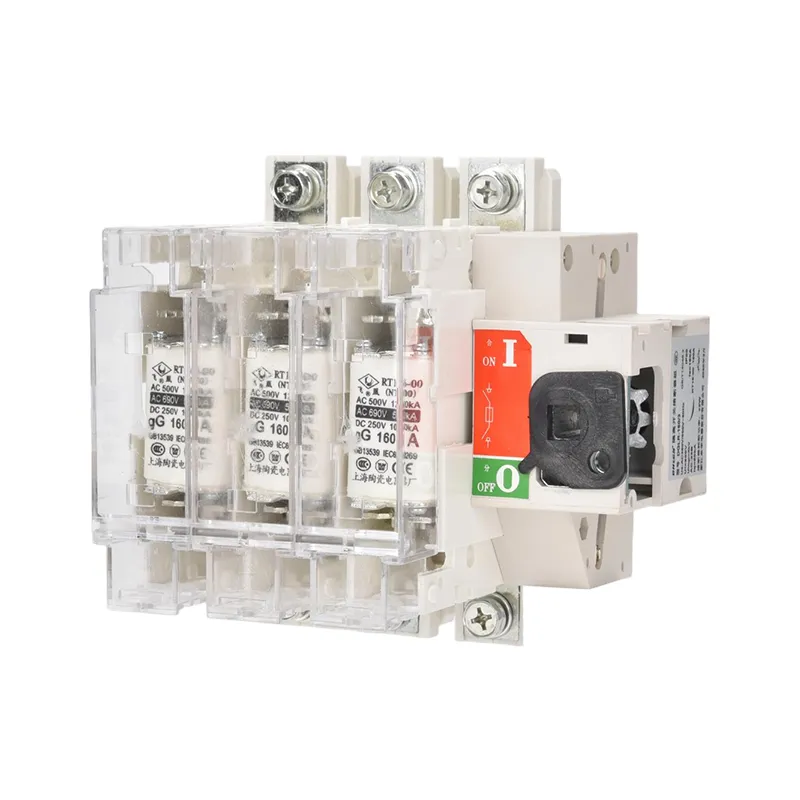
Article Summary: Choosing an AC Three Phase Fuse Isolator Switch requires careful consideration of rated current, fuse compatibility, pole configuration, installation dimensions, and short-circuit protection. Wenzhou Xifa Electrical Equipment Co., Ltd. provides power distribution components for transformer assemblies, electrical panels, and industrial power systems. This guide explains the key factors buyers should check before selecting a suitable model.


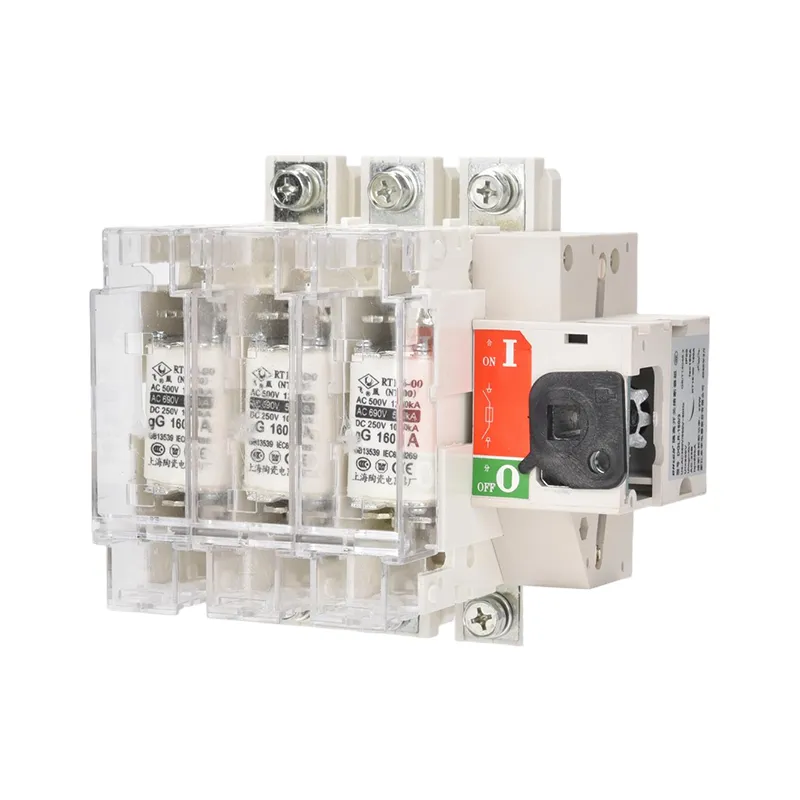
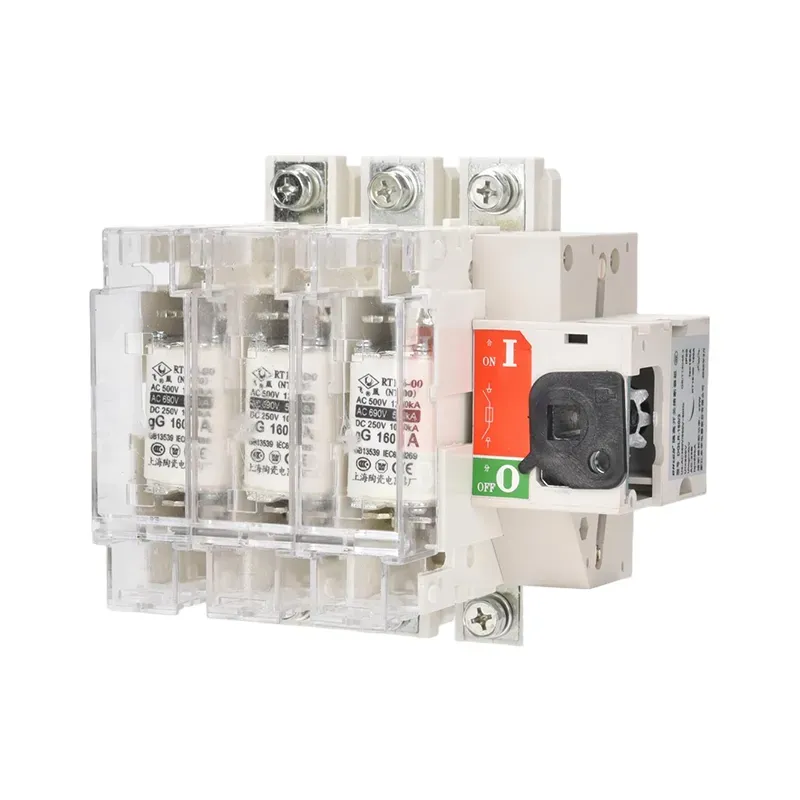
AC Three Phase Fuse Isolator Switch

Table of Contents


1. Identify the Application

When selecting an AC Three Phase Fuse Isolator Switch, we first consider the equipment it will serve and the operating conditions of the circuit. Applications such as distribution cabinets, transformer assemblies, and industrial power systems may require different current ratings, mounting arrangements, and protection characteristics.

Before comparing models, buyers should confirm the system voltage, expected operating current, load characteristics, available short-circuit current, installation environment, and required pole configuration.

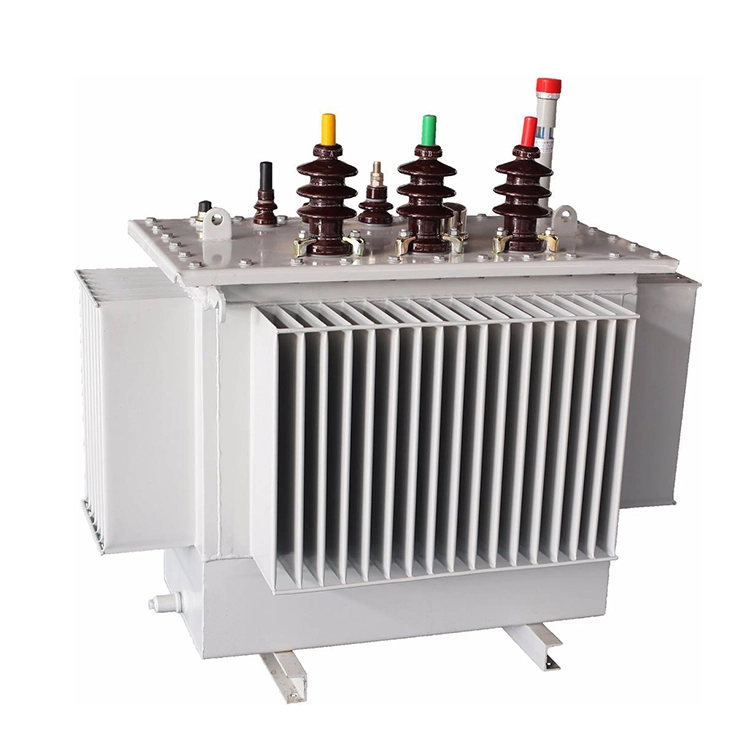
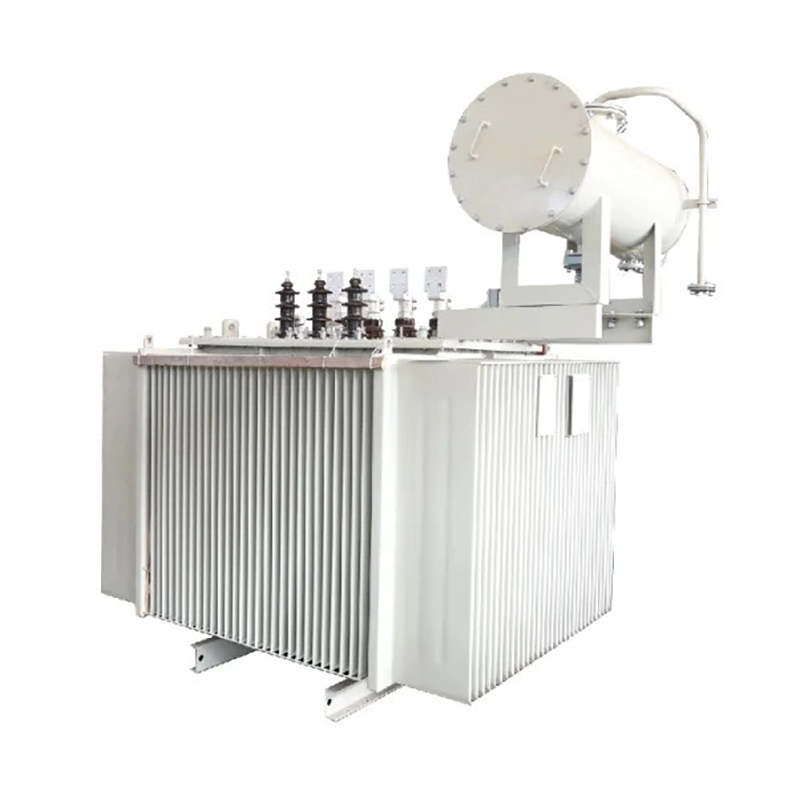
For example, a fuse isolator installed on the low-voltage side of a distribution transformer must match the circuit rating and the protection scheme of the complete assembly. Selecting a model based on current rating alone may result in compatibility problems during installation or operation.

Review the available configurations on the AC Three Phase Fuse Isolator Switch before finalizing the specifications.

2. Check Current and Fuse Ratings

Frame current and fuse rated current describe different characteristics. Frame current identifies the switch's current class, while fuse rated current refers to the nominal rating of the installed fuse. The fuse must be compatible with the switch and suitable for protecting the actual circuit.

According to the supplied product specifications from Wenzhou Xifa Electrical Equipment Co., Ltd., the available frame current ratings range from 63 A to 630 A.

Frame Current Listed Fuse Ratings Fuse Size
63 A 10, 20, 30, 40, 50, 63 A 00C
160 A 63, 80, 100, 125, 160 A 0
250 A 160 A; 200, 250 A 0; 1
400 A 300, 315, 400 A 2
630 A 400, 500, 630 A 3

Note: These values summarize the supplied product parameters. Confirm the compatible fuse type and exact rating for the selected model before ordering.

The fuse should be selected according to the load, conductor ampacity, and required protection coordination. Motor circuits and transformer circuits may have different starting currents and fault characteristics, so the same fuse rating is not appropriate for every application.

3. Evaluate Isolation and Protection

An AC Three Phase Fuse Isolator Switch combines circuit isolation with fuse-based overcurrent protection. Buyers should evaluate these functions separately to ensure that the device meets the requirements of the installation.

  • Isolation: Confirm that the design provides a visible break or another approved means of verifying the isolated state.
  • Fuse protection: Check the fuse rating and characteristics against the expected overload and short-circuit conditions.
  • Switching capability: Verify whether the device is rated to switch the intended load.
  • Short-circuit performance: Check the applicable ratings and required upstream protective devices.
  • Operating mechanism: Review the handle, mechanical interlock, and operating procedure.

A fuse alone does not determine the short-circuit performance of the complete assembly. The switch, fuse, conductors, and upstream protective equipment must be coordinated according to their rated capabilities. Maintenance isolation must also follow applicable electrical safety procedures.

4. Confirm Installation Dimensions

After checking electrical compatibility, buyers should verify the pole configuration, mounting arrangement, overall dimensions, and connection space. The supplied product information includes three-pole and four-pole configurations, as well as front-type and side-type installation options for applicable models.

Selection Item What to Check Why It Matters
Pole configuration Three-pole or four-pole model Matches circuit and neutral isolation requirements.
Mounting arrangement Front-type or side-type installation Ensures compatibility with the panel layout.
Dimensions Width, height, depth, and mounting-hole positions Prevents interference with wiring and adjacent components.
Connections Cable or busbar arrangement and conductor requirements Supports reliable electrical connections.

For example, the published dimensions for the 160 A front-type series list dimension A as 164 mm for the three-pole model and 200 mm for the four-pole model. This difference shows why buyers should check the drawing for the exact configuration instead of assuming that models with the same frame rating have identical dimensions.

Before ordering, compare the manufacturer's dimensional drawing with the panel layout. Allow sufficient space for handle operation, cable bending, electrical clearances, and fuse replacement.

5. Review Manufacturer Specifications

Technical documentation helps buyers confirm whether a product meets project requirements. We recommend requesting the product datasheet, dimensional drawing, applicable test reports, and confirmation of the compatible fuse standard before approving a model.

Wenzhou Xifa Electrical Equipment Co., Ltd. specializes in research, development, and manufacturing of power distribution products for 0.4 kV to 35 kV systems. Its product range includes air circuit breakers, molded case circuit breakers, current transformers, potential transformers, lightning arresters, and dropout fuses.

Located in Yueqing Economic Development Zone, Zhejiang, China, the company is a branch company of Conso Electrical Science and Technology Co., Ltd., which has manufactured distribution transformers, compact substations, and vacuum circuit breakers since 2006.

The company states that its products are manufactured under ISO 9001 quality management and ISO 14001 environmental management systems, and that relevant technical specifications meet CE and UL requirements. Buyers should request the applicable certificates or test reports to verify the compliance status of the specific model.

Other purchasing considerations include spare-fuse availability, installation guidance, lead time, and after-sales technical support. These details can affect commissioning and maintenance, particularly when the switch forms part of a larger electrical distribution assembly.

For product details, visit the AC Three Phase Fuse Isolator Switch product page or contact Wenzhou Xifa Electrical Equipment Co., Ltd..

6. Frequently Asked Questions (FAQ)

Q1: What is an AC Three Phase Fuse Isolator Switch used for?

An AC Three Phase Fuse Isolator Switch is used to isolate a three-phase AC circuit and provide fuse-based overcurrent protection in compatible low-voltage distribution systems. Typical applications include distribution cabinets, transformer assemblies, and industrial power installations.

Q2: How do I choose the correct current rating?

Check the circuit design current, conductor ampacity, load characteristics, and fault conditions. Then select a compatible switch frame and fuse rating based on the required protection coordination and applicable electrical standards.

Q3: What is the difference between frame current and fuse rated current?

Frame current identifies the switch's current class, while fuse rated current identifies the nominal current rating of the installed fuse. The selected fuse must be compatible with the switch and suitable for protecting the circuit.

Q4: Should I choose a three-pole or four-pole switch?

The choice depends on the circuit configuration and whether neutral isolation is required. Confirm the pole arrangement against the system design, earthing scheme, and applicable installation rules.

Q5: Can a fuse isolator switch be used for load switching?

Only if the specific device is rated for the intended switching duty. Check the manufacturer's operating ratings and utilization category rather than assuming that every isolator can interrupt normal load current.

Q6: What information should I provide when requesting a quotation?

Provide the system voltage, required current rating, fuse specification, pole configuration, mounting arrangement, installation dimensions, quantity, and applicable standards. A single-line diagram or panel drawing can help confirm product compatibility.

Conclusion

Choosing an AC Three Phase Fuse Isolator Switch requires a careful review of electrical ratings, fuse characteristics, installation dimensions, and operating conditions. Checking these details before ordering helps reduce installation changes and supports reliable operation within the distribution system. Wenzhou Xifa Electrical Equipment Co., Ltd. provides product information and technical support to help customers identify suitable configurations for their applications.

Related News
Leave me a message
X
We use cookies to offer you a better browsing experience, analyze site traffic and personalize content. By using this site, you agree to our use of cookies. Privacy Policy
RejectAccept